Description
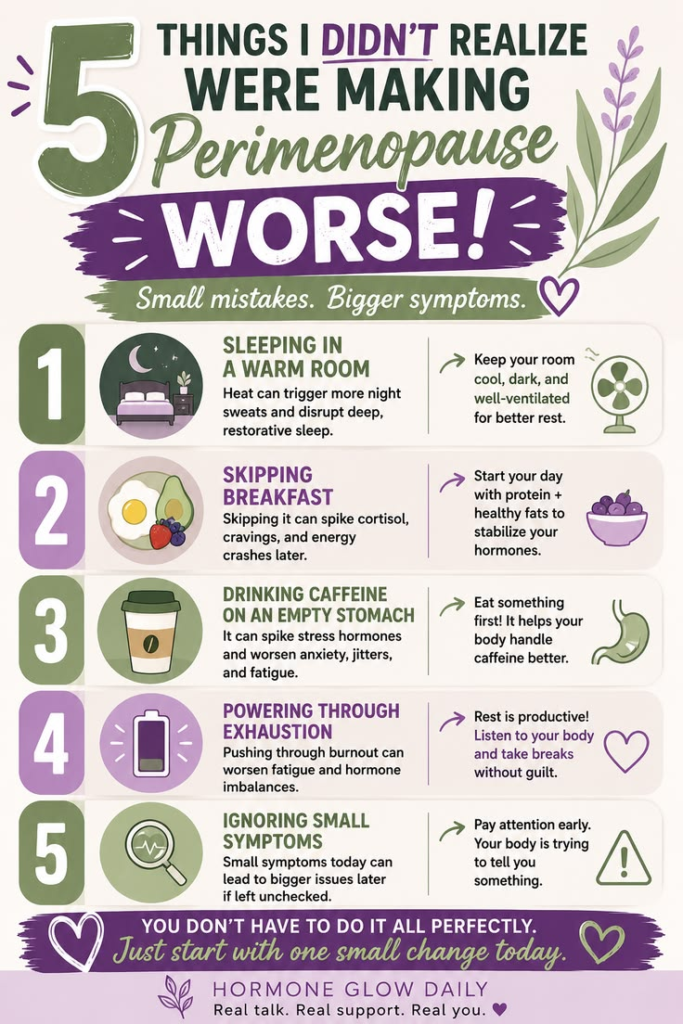
Think your hormones are working against you? Discover 5 common everyday habits that may be making perimenopause symptoms worse—and simple changes that can help you feel more like yourself again.
If you’ve been feeling like your body suddenly has a mind of its own, you’re not imagining it.
One day you’re sleeping fine, and the next you’re waking up soaked in sweat at 3 a.m. Your energy disappears by lunch, little things make you irritable, and foods you’ve eaten for years suddenly leave you feeling bloated or exhausted.
For many women, these changes begin during perimenopause—the transition leading up to menopause. During this stage, estrogen and progesterone levels naturally fluctuate, which can affect nearly every system in your body. That includes your sleep, metabolism, mood, body temperature, energy levels, and even how your body responds to stress.
The frustrating part is that many of the things we do every day without thinking can unintentionally make those symptoms feel even worse.
The good news? Small changes can sometimes make a noticeable difference.
Below are five common habits that may be adding fuel to the fire—and simple ways you can better support your body during perimenopause.
1. Sleeping in a Warm Room

One of the first symptoms many women notice during perimenopause is waking up feeling unbearably hot.
You may throw the blankets off in the middle of the night, flip your pillow over repeatedly searching for the cool side, or wake up sweating even though your partner is perfectly comfortable.
If this sounds familiar, your bedroom temperature could be making those nighttime symptoms even worse.
Why It Happens
During perimenopause, estrogen levels naturally rise and fall. These hormone fluctuations can affect the hypothalamus—the part of your brain that helps regulate body temperature.
As a result, your body can become much more sensitive to even small increases in temperature. A bedroom that once felt perfectly comfortable may suddenly feel stuffy or overheated.
When your core body temperature rises, your brain may trigger a hot flash or night sweat in an attempt to cool you down. While these episodes usually don’t last long, they often interrupt the deeper stages of sleep that your body needs for recovery.
Over time, repeatedly waking throughout the night can leave you feeling exhausted, foggy, and irritable the next day.
Why Sleep Matters More Than You Think

Poor sleep doesn’t just make you tired.
Consistently interrupted sleep may contribute to:
- More daytime fatigue
- Increased brain fog
- Stronger food cravings
- Difficulty concentrating
- Increased irritability
- Lower stress tolerance
- Reduced motivation to exercise
- Feeling emotionally overwhelmed
Sleep is when your body repairs tissues, supports immune function, and helps regulate hormones involved in hunger, metabolism, and stress. When sleep suffers, many other symptoms can feel more intense.
What Can Help
While you can’t completely control hormone fluctuations, you can create an environment that supports better sleep.
Try these simple changes:
- Keep your bedroom cool, ideally between 60–67°F (15–19°C) if comfortable for you.
- Use breathable cotton or bamboo sheets instead of heavy fabrics that trap heat.
- Choose lightweight sleepwear designed to wick away moisture.
- Keep a fan nearby to improve air circulation.
- Avoid large meals, alcohol, or spicy foods close to bedtime if they seem to trigger night sweats.
- Consider taking a lukewarm shower before bed to help lower your body temperature.
- If possible, keep the room dark and quiet to encourage deeper sleep.
Even if these changes don’t eliminate night sweats completely, many women find they reduce how often they wake up and help them fall back asleep more easily.
Small Change to Try Tonight
Instead of turning your thermostat up for comfort, try lowering the room temperature by a few degrees and switching to lighter bedding for one week.
Pay attention to how often you wake during the night and how you feel the following morning. Small adjustments can sometimes lead to surprisingly noticeable improvements.
2. Skipping Breakfast

If you’ve ever rushed out the door with nothing but a cup of coffee, you’re definitely not alone.
Many women skip breakfast because they’re busy, not hungry first thing in the morning, or trying to cut calories. While that may seem harmless, it can sometimes make perimenopause symptoms feel worse.
Your body has already gone several hours without food while you slept. By morning, it needs nutrients to replenish energy stores and support normal body functions.
When you delay eating for several more hours, your body may experience larger swings in blood sugar. For some people, that can contribute to feeling shaky, irritable, overly hungry later in the day, or more likely to crave sugary foods.
During perimenopause—when hormonal fluctuations can already affect energy, mood, and appetite—those ups and downs may feel even more noticeable.
Why Breakfast Can Matter
A balanced breakfast that includes protein, fiber, and healthy fats can help provide steady energy throughout the morning and may make it easier to avoid the afternoon energy crash many women describe.
Many women notice they feel better when they start the day with meals such as:
- Greek yogurt with berries and chia seeds
- Eggs with avocado and whole-grain toast
- Cottage cheese with fruit and nuts
- Oatmeal topped with walnuts, flaxseed, and fresh berries
- A smoothie made with protein, spinach, berries, and unsweetened milk
These options provide a combination of protein, fiber, and healthy fats that can help you stay full longer than a breakfast made mostly of refined carbohydrates.
If You Aren’t Hungry First Thing
Not everyone enjoys eating immediately after waking up, and that’s okay.
Instead of skipping breakfast entirely, consider starting with something small, such as:
- A hard-boiled egg
- A handful of nuts with fruit
- A protein smoothie
- Plain Greek yogurt
The goal isn’t to eat a huge meal—it’s to give your body some nourishing fuel to start the day.
3. Drinking Caffeine on an Empty Stomach

For many women, the day doesn’t officially begin until they’ve had their first cup of coffee.
If that’s you, you’re certainly not alone. Coffee is part of many morning routines, and in moderation it can absolutely fit into a healthy lifestyle.
However, drinking coffee before eating anything may not be the best choice if you’re struggling with fatigue, anxiety, jitters, mood swings, or feeling “on edge” during perimenopause.
While research is still evolving, many women report that having coffee on an empty stomach seems to make these symptoms feel more noticeable.
Why This Can Be a Problem
When you wake up, your body naturally releases cortisol—a hormone that helps you feel alert and prepares your body for the day ahead.
Cortisol isn’t “bad.” In fact, you need it. It helps regulate blood pressure, blood sugar, metabolism, and your body’s response to stress.
Coffee can also increase alertness by stimulating your nervous system.
For some people, combining caffeine with an empty stomach can lead to:
- Feeling shaky or jittery
- Increased anxiety
- A racing heartbeat
- Stomach discomfort
- Energy spikes followed by crashes
This doesn’t happen to everyone, but if you’ve noticed these symptoms, your morning coffee routine could be worth rethinking.
Blood Sugar Matters Too
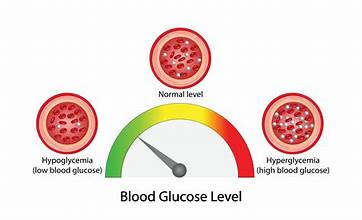
Without food, caffeine may affect some people’s blood sugar response differently than when it’s consumed with a balanced meal.
If you already experience:
- Afternoon crashes
- Intense sugar cravings
- Mood swings
- Feeling “hangry”
- Difficulty concentrating
adding protein before your coffee may help you feel steadier throughout the day.
Better Morning Routine
Instead of reaching for coffee immediately after waking up, try this order:
✔ Drink a glass of water.
Your body loses water overnight, and starting the day hydrated can help you feel more energized.
✔ Eat a protein-rich breakfast.
Protein helps keep you fuller longer and provides steady energy.
Examples include:
- Eggs
- Greek yogurt
- Cottage cheese
- Protein smoothie
- Peanut butter on whole-grain toast
✔ Then enjoy your coffee.
Many women find they still get the energy boost they enjoy—but with fewer jitters and a smoother energy level throughout the morning.
If You Love Coffee…
Good news—you don’t necessarily have to give it up.
Instead, consider:
- Limiting added sugar and flavored syrups.
- Pairing coffee with breakfast.
- Avoiding multiple cups late in the afternoon if they interfere with sleep.
- Paying attention to how your body feels rather than following someone else’s routine.
Everyone responds differently to caffeine. The goal is to find what works best for you.
Small Change to Try This Week
For seven days, eat breakfast before your morning coffee.
Notice whether your:
- Energy improves
- Mood feels steadier
- Anxiety decreases
- Afternoon crash becomes less intense
Even small improvements can add up over time.
4. Powering Through Exhaustion

Many women are used to putting everyone else first.
You take care of your family.
You work.
You cook dinner.
You clean the house.
You answer everyone’s text messages.
You keep going…
…even when you’re completely exhausted.
During perimenopause, this habit can become especially challenging because your body is already adapting to significant hormonal changes.
Feeling tired isn’t always something to “push through.”
Sometimes it’s your body’s way of asking for support.
Why Fatigue Happens During Perimenopause

Changing hormone levels can affect:
- Sleep quality
- Mood
- Body temperature
- Energy production
- Muscle recovery
- Stress response
Even if you’re getting seven or eight hours in bed, interrupted sleep from night sweats or frequent waking can leave you feeling anything but refreshed.
Many women describe feeling tired all day despite technically getting enough sleep.
The Hidden Cost of Ignoring Fatigue
When you’re exhausted, it’s easy to rely on quick fixes:
More coffee.
Sugary snacks.
Energy drinks.
Skipping exercise because you simply don’t have anything left to give.
Unfortunately, these habits can create a cycle where you continue feeling drained.
Fatigue may also make it harder to:
- Make healthy food choices
- Stay physically active
- Manage stress
- Stay patient with family
- Focus at work
Over time, that cycle can become frustrating and discouraging.
Your Body Is Not Being Lazy
One of the biggest misconceptions about perimenopause is believing you’re simply becoming lazy.
You’re not.
Your body is working hard to adapt to changing hormone levels.
Giving yourself permission to rest isn’t giving up.
It’s supporting your health.
Healthy Ways to Recharge

Instead of pushing harder, consider asking:
“What does my body actually need today?”
That might mean:
- Going for a gentle walk instead of an intense workout.
- Stretching for 10 minutes.
- Taking a short break outside.
- Going to bed 30 minutes earlier.
- Asking someone else to help with dinner.
- Saying “no” to one unnecessary commitment.
Small acts of self-care aren’t selfish.
They’re often necessary.
Build Recovery Into Your Week
Many women schedule work meetings.
Doctor appointments.
Kids’ activities.
But never schedule recovery.
Try blocking off time each week for activities that help you recharge, such as:
- Reading
- Walking
- Gentle yoga
- Deep breathing
- Journaling
- Listening to calming music
- Spending time in nature
These moments may seem small, but they can help lower stress and improve overall well-being.
Small Change to Try This Week
Instead of asking:
“How much more can I get done today?”
Ask:
“What does my body need from me today?”
That simple shift in mindset can change the way you care for yourself throughout perimenopause.
5. Ignoring Small Symptoms

Have you ever caught yourself saying:
“It’s probably just stress.”
“I’m just getting older.”
“I’ll deal with it later.”
Many women dismiss the early signs of perimenopause because they don’t realize how many parts of the body hormones can affect.
Instead of one dramatic symptom, the changes often happen gradually. You may notice you’re sleeping a little worse, feeling more anxious than usual, forgetting words, or experiencing changes in your menstrual cycle. Because these changes happen slowly, it’s easy to brush them aside.
While many symptoms can be a normal part of perimenopause, it’s important not to assume every symptom is hormone-related. New, persistent, or severe symptoms should always be discussed with your healthcare provider so other possible causes can be ruled out.
Common Symptoms Women Often Ignore
Many women don’t realize these can occur during perimenopause:
- Hot flashes
- Night sweats
- Irregular periods
- Mood swings
- Brain fog
- Fatigue
- Trouble sleeping
- Vaginal dryness
- Dry or itchy skin
- Joint aches
- Lower libido
- Increased bloating
- Anxiety
- Heart palpitations
- Weight changes
You don’t have to experience every symptom for hormone changes to be affecting your body.
Why Early Awareness Matters
Recognizing patterns can help you have a more informed conversation with your healthcare provider.
Instead of trying to remember months of symptoms, consider keeping a simple journal where you note:
- When your period starts and ends
- Sleep quality
- Mood
- Energy level
- Hot flashes or night sweats
- Foods that seem to trigger symptoms
- Exercise
- Stress levels
Over time, you may notice patterns that weren’t obvious day to day.
Lifestyle Changes Can Add Up

No single habit will eliminate perimenopause symptoms.
But improving several small habits together may make a meaningful difference in how you feel.
Think of it like filling a bucket.
Each healthy choice adds another drop:
✔ Better sleep
✔ Balanced meals
✔ Gentle movement
✔ Stress management
✔ Hydration
✔ Protein
✔ Fiber
✔ Strength training
✔ Time outdoors
✔ Rest
Small improvements, repeated consistently, often have a greater impact than trying to overhaul your life overnight.
Quick Recap: 5 Things That May Be Making Perimenopause Feel Worse

Let’s review the five habits we covered:
1. Sleeping in a Warm Room
A cooler sleep environment may help reduce night sweats and improve sleep quality.
2. Skipping Breakfast
Eating a balanced breakfast with protein, fiber, and healthy fats may help support steady energy and reduce cravings later in the day.
3. Drinking Coffee on an Empty Stomach
Pairing coffee with breakfast instead of drinking it first thing may help some women feel less jittery and avoid an energy crash.
4. Powering Through Exhaustion
Rest is not laziness. Listening to your body’s signals is an important part of supporting your overall health.
5. Ignoring Small Symptoms
Paying attention to gradual changes can help you identify patterns and know when it’s time to talk with your healthcare provider.
Frequently Asked Questions
Can perimenopause start in your 30s?
Yes. Some women begin experiencing symptoms in their late 30s, although it’s more common in the 40s. The timing varies from person to person.
How long does perimenopause last?
Perimenopause can last several years. For many women, it lasts anywhere from 4 to 8 years, though some experience a shorter or longer transition.
Is it normal to have irregular periods during perimenopause?
Yes. Periods may become lighter, heavier, closer together, farther apart, or occasionally skipped. However, heavy bleeding, bleeding after menopause, or other unusual changes should always be evaluated by a healthcare professional.
Can hormones affect sleep?
Yes. Fluctuations in estrogen and progesterone can contribute to night sweats, hot flashes, and difficulty staying asleep.
Why do I feel so tired all the time?
Fatigue during perimenopause can have many causes, including interrupted sleep, hormonal changes, stress, anemia, thyroid conditions, or other medical issues. If fatigue is persistent or severe, it’s important to speak with your healthcare provider.
Does exercise help during perimenopause?
Many women find that regular physical activity—especially strength training, walking, and flexibility exercises—helps improve energy, mood, sleep, and overall well-being.
Should I stop drinking coffee?
Not necessarily. Many women continue enjoying coffee without problems. If you notice it worsens anxiety, jitters, or sleep, try drinking it after breakfast or reducing the amount to see if that helps.
Can diet really make a difference?
A balanced eating pattern that includes protein, fiber, healthy fats, fruits, vegetables, and whole grains may help support overall health and steady energy during perimenopause. While diet isn’t a cure for hormone changes, healthy eating habits can play an important role in how you feel.
When should I see a doctor?

You should contact your healthcare provider if you experience:
- Very heavy bleeding
- Bleeding after menopause
- Severe pelvic pain
- Frequent fainting
- Chest pain
- Persistent heart palpitations
- Sudden unexplained weight loss
- Symptoms that interfere with daily life or concern you
Final Thoughts

Perimenopause isn’t something you caused—and it’s not a sign that you’re failing.
Your body is going through a natural transition that can bring real physical and emotional changes. The encouraging news is that small, consistent lifestyle habits can help support your overall well-being during this time.
You don’t have to change everything overnight.
Start with one habit this week.
Maybe it’s eating breakfast.
Maybe it’s cooling your bedroom.
Maybe it’s finally giving yourself permission to rest.
Small steps can lead to meaningful progress.
Remember, you’re not alone, and there are ways to support yourself through this stage of life.
💜 Download Your Free Guide
If you’re looking for simple, practical ways to support your hormones naturally, grab my FREE 7-Day Hormone Reset Starter Guide. Inside, you’ll find beginner-friendly tips, meal ideas, and daily habits designed to help you feel more energized and in control.
👉 Download your free guide here:
https://hormone-glow-daily.kit.com/33263119f4
Medical Disclaimer
The information provided in this article is for educational and informational purposes only and is not intended as medical advice, diagnosis, or treatment. Every woman’s experience with perimenopause is different, and symptoms can have many possible causes. Always consult your physician or another qualified healthcare professional before making changes to your diet, exercise routine, supplements, or treatment plan. Never ignore professional medical advice or delay seeking care because of something you have read on this website.