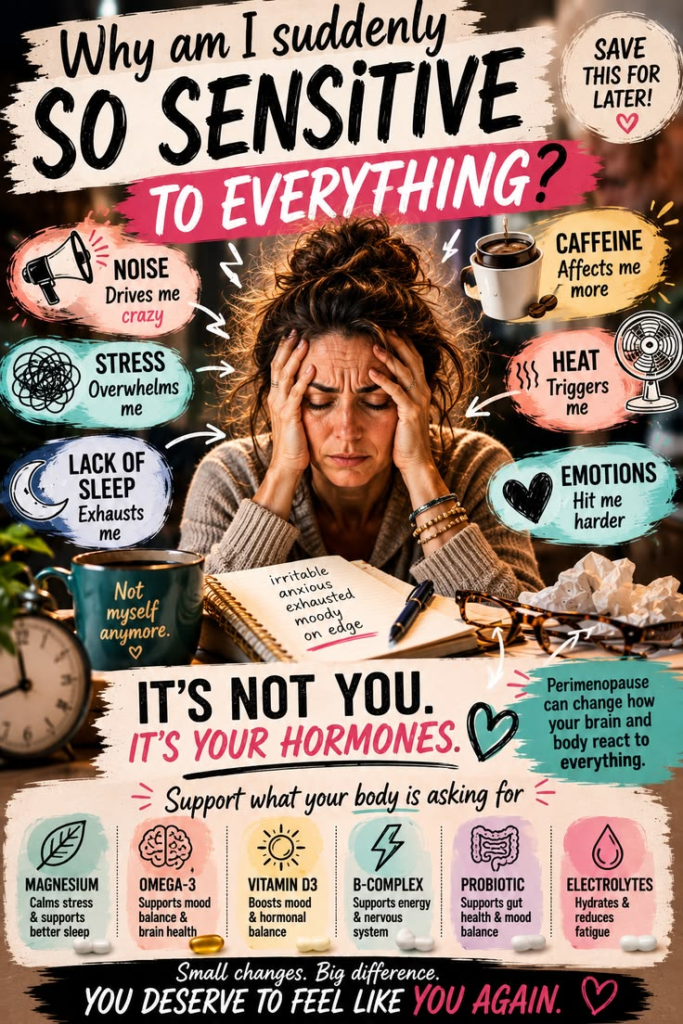
Have you ever found yourself snapping at noises that never bothered you before, feeling overwhelmed by everyday stress, crying over things that normally wouldn’t affect you, or wondering why even one cup of coffee suddenly makes you feel anxious?
If you’re over 35 and thinking, “I don’t even recognize myself anymore,” you’re not imagining it.
Many women experience a dramatic increase in sensitivity during perimenopause—the years leading up to menopause—and often have no idea that fluctuating hormones may be playing a major role.
The good news? You’re not “too sensitive,” “lazy,” or “losing your mind.”
Your body is trying to tell you something.
The Signs You’re Becoming More Sensitive
Many women report experiencing:
✅ Noise feels overwhelming
✅ Stress feels impossible to handle
✅ Small problems trigger anxiety
✅ Sleep disruptions hit harder than before
✅ Caffeine suddenly causes jitters
✅ Heat becomes unbearable
✅ Mood swings seem to come out of nowhere
✅ You feel emotionally fragile or easily irritated
If several of these sound familiar, hormones may be involved.
What’s Actually Happening Inside Your Body?
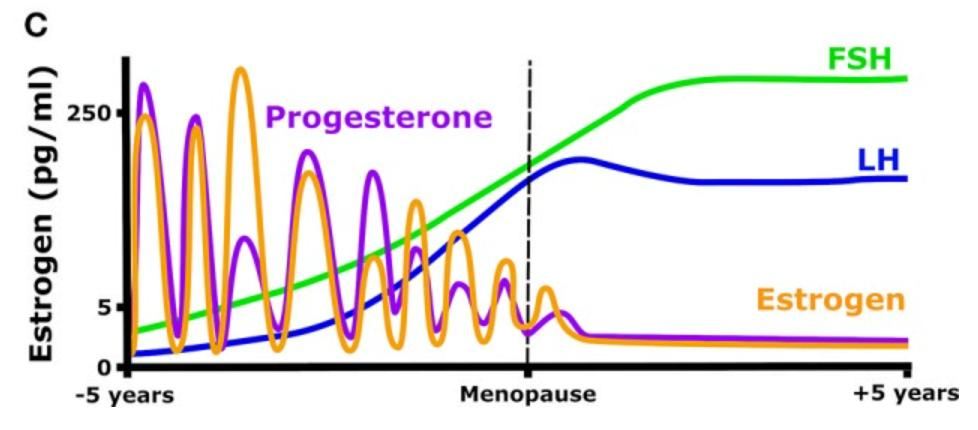
During perimenopause, estrogen and progesterone no longer rise and fall in predictable patterns.
These hormones affect far more than your reproductive system.
They influence:
- Brain chemicals like serotonin and dopamine
- Stress response
- Sleep quality
- Body temperature regulation
- Energy production
- Mood stability
- Inflammation levels
As these hormones fluctuate, your nervous system can become more reactive.
Things that never bothered you before suddenly feel overwhelming.
Why Noise Feels So Annoying
Ever feel irritated by chewing, TV sounds, conversations, or background noise?
Lower estrogen levels may affect how the brain processes sensory information.
Your nervous system becomes more easily overstimulated, making ordinary sounds feel much louder and more irritating.
Many women describe feeling like their brain is constantly “on edge.”
Why Stress Hits Harder Than It Used To

Hormonal changes can make your body more sensitive to cortisol, your primary stress hormone.
The result?
- Faster heart rate
- Increased anxiety
- Feeling overwhelmed
- Difficulty concentrating
- Irritability
Even normal daily responsibilities can suddenly feel exhausting.
Why One Bad Night of Sleep Ruins Your Whole Day
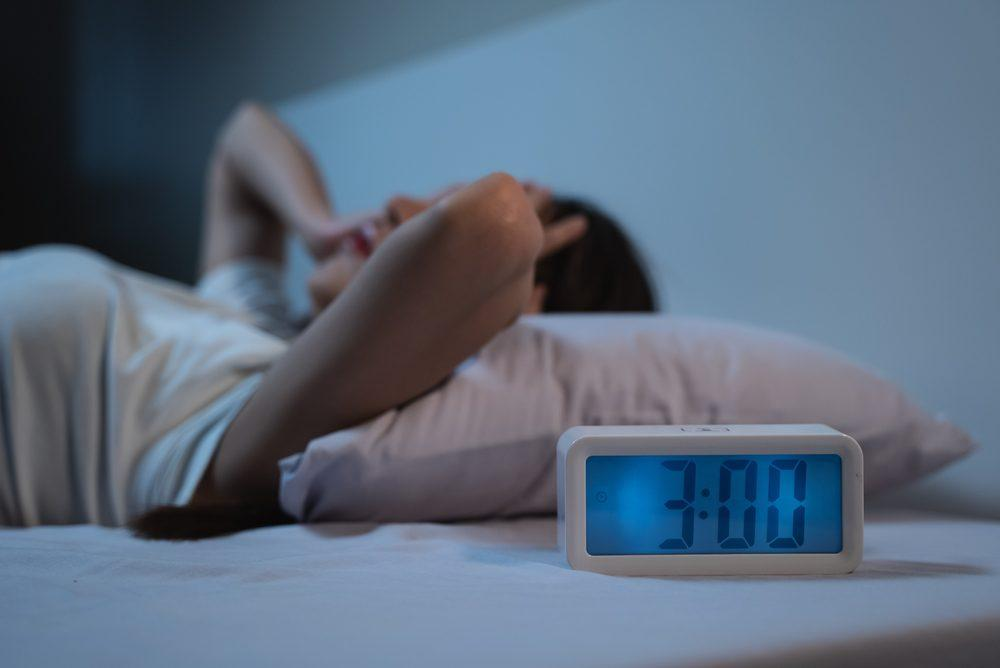
Sleep problems are one of the earliest signs of perimenopause.
As progesterone declines, many women experience:
- Difficulty falling asleep
- Frequent waking
- Night sweats
- Restless sleep
Poor sleep increases cortisol levels the next day, creating a cycle of fatigue, anxiety, and emotional sensitivity.
Why Caffeine Suddenly Feels Different
If you’ve gone from loving coffee to feeling shaky after one cup, you’re not alone.
Hormonal fluctuations can make your nervous system more reactive to stimulants.
Symptoms may include:
- Racing heart
- Anxiety
- Jitters
- Irritability
- Difficulty sleeping
Many women discover they need less caffeine than they did in their twenties.
Why Heat Makes You Feel Miserable
Estrogen helps regulate body temperature.
When estrogen fluctuates, your internal thermostat becomes more sensitive.
This can lead to:
- Hot flashes
- Night sweats
- Feeling overheated
- Increased irritability during warm weather
Even small temperature changes can feel intense.
Why Emotions Feel Stronger
One of the most surprising symptoms of perimenopause is emotional sensitivity.
You may feel:
- More anxious
- More tearful
- Less patient
- Easily frustrated
- Overwhelmed by situations you previously handled well
This isn’t weakness.
Hormonal changes can directly affect neurotransmitters that regulate mood and emotional resilience.
The Missing Piece: Your Nervous System Is Asking For Support
When your body is under hormonal stress, it often needs additional support to function optimally.
Many women notice improvements when they focus on:
Magnesium
Magnesium supports relaxation, stress management, sleep quality, and nervous system function.
Potential benefits:
- Better sleep
- Reduced stress
- Improved relaxation
- Fewer muscle tension symptoms
Omega-3 Fatty Acids
Omega-3s help support brain health and mood balance.
Potential benefits:
- Cognitive support
- Mood support
- Healthy inflammation response
Vitamin D3
Low vitamin D levels are common in women and may contribute to fatigue and low mood.
Potential benefits:
- Mood support
- Bone health
- Immune support
B-Complex Vitamins
B vitamins help your body convert food into energy and support healthy nervous system function.
Potential benefits:
- Increased energy
- Mental clarity
- Stress support
Probiotics
Your gut and brain communicate constantly.
Supporting gut health may positively influence mood, digestion, and overall well-being.
Potential benefits:
- Better digestion
- Reduced bloating
- Improved gut balance
Electrolytes
Hydration becomes increasingly important as hormonal changes occur.
Potential benefits:
- Reduced fatigue
- Improved hydration
- Better energy levels
Simple Daily Habits That Can Help
You don’t have to overhaul your entire life.
Start with small changes:
Prioritize Protein At Breakfast
Aim for a protein-rich breakfast to support stable energy and blood sugar.

Examples:
- Greek yogurt with berries
- Protein smoothie
- Eggs with fruit
- Cottage cheese bowl
Get Morning Sunlight

Just 10–15 minutes of morning sunlight can help support your body’s natural sleep-wake cycle.
Reduce Stimulants
If caffeine worsens symptoms, consider:
- Smaller servings
- Half-caf coffee
- Herbal tea alternatives
Walk Daily

A simple 20–30 minute walk can help:
- Lower stress
- Improve mood
- Support sleep
- Boost energy
Protect Your Sleep
Create a calming nighttime routine:
- Dim lights
- Limit screens
- Keep your bedroom cool
- Go to bed at a consistent time
You’re Not Going Crazy
One of the hardest parts of perimenopause is feeling like you’ve suddenly become a different person.
The truth is that your body is adapting to significant hormonal changes.
The noise, stress, fatigue, anxiety, emotional swings, and sensitivity you’re experiencing are incredibly common.
Instead of fighting your body, try listening to what it’s asking for.
More rest.
More nourishment.
More support.
Small changes made consistently can make a remarkable difference.
Because you deserve to feel like yourself again.
Disclaimer: The information on Hormone Glow Daily is provided for educational and informational purposes only and is not intended as medical advice, diagnosis, or treatment. Always consult a qualified healthcare professional before making changes to your diet, supplements, medications, or wellness routine.