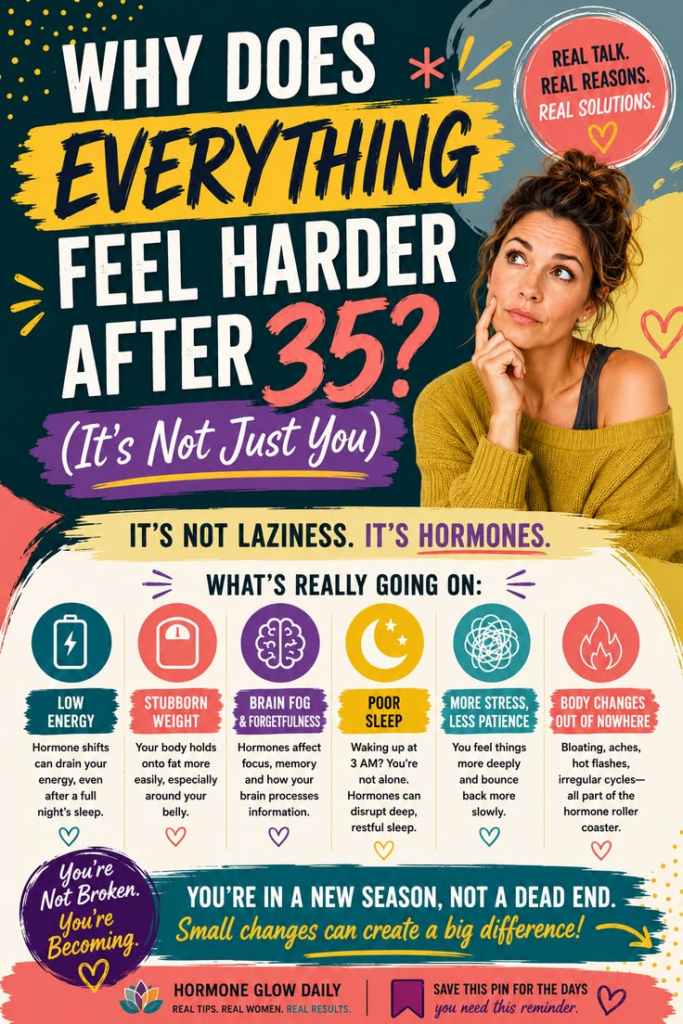
Why Everything Suddenly Feels Different
Have you ever looked in the mirror and wondered:
“Why am I doing everything I used to do… but nothing works anymore?”
Maybe you’re eating healthier than ever.
You’re trying to exercise.
You’re sleeping when you can.
Yet somehow…
- You’re gaining weight.
- You’re exhausted all the time.
- Your patience is shorter.
- Your brain feels foggy.
- Your clothes fit differently.
If this sounds familiar, you’re not lazy, unmotivated, or failing.
For many women, these changes begin during perimenopause—the years leading up to menopause, when hormone levels naturally fluctuate.
What Is Perimenopause?
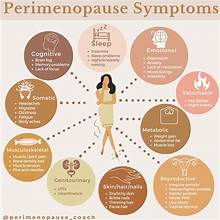
Perimenopause usually begins sometime in your late 30s or 40s, although every woman is different.
During this time, estrogen and progesterone don’t decline in a straight line. Instead, they rise and fall unpredictably, which can affect nearly every system in your body.
These hormonal shifts influence:
- Metabolism
- Sleep
- Mood
- Appetite
- Energy
- Body temperature
- Muscle maintenance
- Blood sugar regulation
That’s why you may feel completely different than you did just a few years ago.
1. Why You’re Always Tired

Hormonal fluctuations can interfere with deep, restorative sleep.
Many women also experience:
- Night sweats
- Waking around 3 a.m.
- Trouble falling back asleep
- Feeling exhausted despite sleeping several hours
What Helps
- Keep a consistent bedtime.
- Limit caffeine late in the day.
- Reduce bright screens before bed.
- Keep your bedroom cool and dark.
- Eat enough protein during the day.
2. Why Belly Fat Seems to Appear Overnight
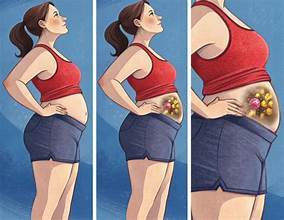
One of the biggest frustrations women notice is weight shifting toward the abdomen.
This doesn’t mean you’ve suddenly become unhealthy.
Changes in hormones, muscle mass, sleep, stress, and activity levels can all contribute.
Helpful Habits
- Strength train 2–3 times each week.
- Eat protein with every meal.
- Include fiber-rich foods daily.
- Walk after meals when possible.
- Avoid skipping meals.
Remember, sustainable habits matter more than chasing quick fixes.
3. Why You Feel Mentally Foggy

Forgetfulness during perimenopause is incredibly common.
You may notice:
- Losing your train of thought
- Walking into a room and forgetting why
- Trouble concentrating
- Difficulty remembering names
This can be frustrating, but it doesn’t necessarily mean something serious is wrong.
Support Your Brain
- Prioritize quality sleep.
- Stay hydrated.
- Challenge your brain by reading or learning something new.
- Include omega-3-rich foods such as salmon, walnuts, or chia seeds.
- Manage stress with calming activities you enjoy.
4. Why Stress Feels Bigger Than It Used To
Hormonal changes may affect how your body responds to stress.
Small problems can suddenly feel overwhelming.
This is a common experience for many women during perimenopause.
Try These Daily Habits
- Go for a short walk.
- Spend time outside.
- Practice slow breathing for a few minutes.
- Journal your thoughts.
- Make time for hobbies that help you unwind.
You don’t have to eliminate stress—you just need healthy ways to manage it.
5. Why Sleep Changes So Much

Many women report:
- Waking at the same time every night
- Tossing and turning
- Feeling hot while sleeping
- Restless nights
Poor sleep can also increase hunger, reduce energy, and make weight management more difficult.
Better Sleep Starts During the Day
- Get morning sunlight.
- Stay physically active.
- Eat balanced meals.
- Avoid large meals right before bed.
- Create a relaxing nighttime routine.
6. Why Healthy Habits Suddenly Matter More

The good news?
You don’t need to be perfect.
Small, consistent habits often make a bigger difference than extreme diets or intense workouts.
Focus on:
✔ Protein with every meal
✔ Fiber every day
✔ Strength training
✔ Daily movement
✔ Quality sleep
✔ Stress management
✔ Drinking enough water
Small improvements add up over time.
You’re Not Broken
If everything feels harder after 35, you’re not imagining it.
Your body is changing.
Instead of fighting those changes, learning how to support your body through them can make a meaningful difference.
Progress doesn’t come from perfection.
It comes from showing up consistently—even on the hard days.
Your body isn’t working against you.
It’s asking for something different than it needed ten years ago.
Frequently Asked Questions
At what age does perimenopause usually start?
Many women begin noticing symptoms in their late 30s or 40s, though the timing varies from person to person.
Can perimenopause cause weight gain?
Hormonal changes, aging, sleep disruption, and changes in muscle mass can all contribute to weight changes, especially around the midsection.
Does brain fog go away?
Many women find that brain fog improves as hormones stabilize and with habits that support sleep, stress management, hydration, and overall health. If memory problems are severe or worsening, it’s important to speak with a healthcare professional.
Can lifestyle changes really help?
Healthy eating, regular exercise, strength training, good sleep, and stress management can improve many symptoms for some women, though they may not eliminate them completely.
Final Thoughts

Perimenopause can feel overwhelming, especially when the changes seem to happen all at once. The good news is that you don’t have to navigate it alone. Understanding what’s happening is the first step toward finding habits that help you feel stronger, more energized, and more like yourself again.
Disclaimer
Disclaimer: The information in this article is for educational purposes only and is not intended as medical advice, diagnosis, or treatment. Every woman’s experience with perimenopause is different. Always consult your healthcare provider before making changes to your diet, exercise routine, supplements, or medications, especially if you have existing health conditions or persistent or severe symptoms.