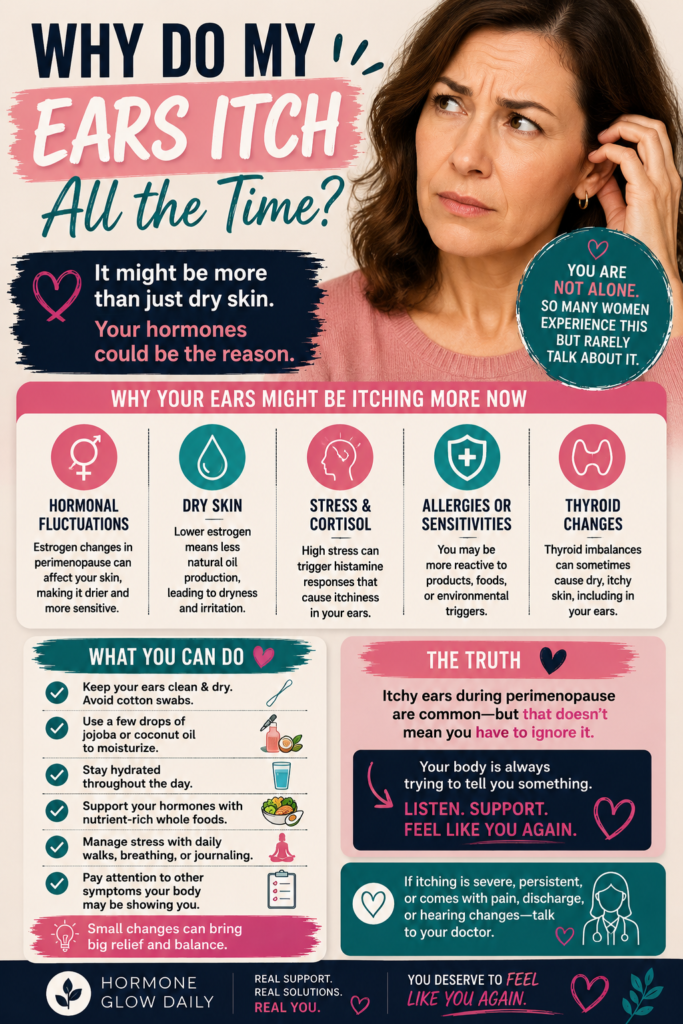
Title: Why Do My Ears Itch During Perimenopause? Causes, Relief & When to See a Doctor
Description: Constant itchy ears can be frustrating and confusing. Learn why hormonal changes during perimenopause may contribute, other common causes, simple ways to find relief, and when it’s time to talk to your doctor.
Have You Ever Thought…
“Why are my ears always itchy?”
Maybe you’ve changed your shampoo.
Stopped wearing earrings.
Switched laundry detergent.
Even cleaned your ears more often.
But the itching keeps coming back.
If this sounds familiar, you’re not imagining it.
While itchy ears aren’t one of the most talked-about symptoms of perimenopause, many women notice changes in their skin as estrogen levels fluctuate. At the same time, itchy ears can also have many other causes, so it’s important not to assume hormones are always to blame.
Let’s break down what may be happening and, more importantly, what you can do about it.
Why Can Perimenopause Cause Itchy Ears?
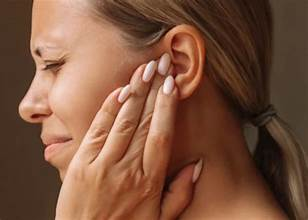
One of estrogen’s jobs is helping your skin stay healthy.
As estrogen begins to fluctuate during perimenopause, your skin may produce less natural oil and hold less moisture.
That can lead to:
- Dry skin
- Sensitive skin
- Itching
- Irritation
- Flaking
Most women notice these changes on their face, arms, or legs.
What many don’t realize is that the skin inside and around your ears can become drier too.
Because the ear canal has delicate skin, even small changes in moisture can feel surprisingly uncomfortable.
Other Reasons Your Ears May Be Itching
Hormones are only one possibility.
Several common conditions can also cause itchy ears.
1. Dry Skin
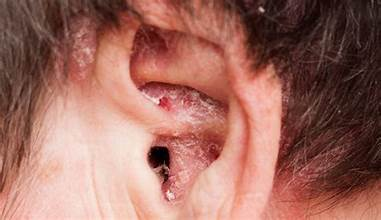
One of the most common reasons.
Dry indoor air, aging skin, hot showers, harsh soaps, and lower estrogen levels can all reduce moisture.
You may also notice:
- Dry scalp
- Dry eyes
- Dry lips
- Dry elbows
- Dry hands
What may help
✔ Use a gentle moisturizer around (not inside) the ear.
✔ Avoid harsh soaps.
✔ Drink enough water throughout the day.
2. Allergies
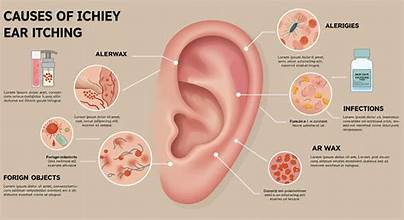
Your ears may react to:
- Hair products
- Shampoo
- Conditioner
- Perfume
- Earrings
- Hearing aids
- Earbuds
- Laundry detergent
Sometimes simply changing one product solves the problem.
3. Earwax Problems
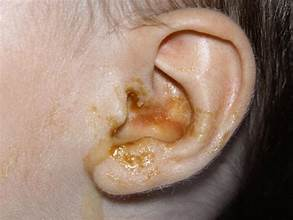
Many people think itchy ears mean they need to clean them more.
Actually…
Too little earwax can make ears itch because earwax helps protect and moisturize the ear canal.
Using cotton swabs may remove this protective layer and can even push wax deeper into the ear.
4. Stress
Have you noticed your itching gets worse during stressful weeks?
Stress can increase the body’s sensitivity and make existing skin irritation feel more noticeable.
It doesn’t necessarily cause itchy ears by itself, but it can make symptoms harder to ignore.
5. Hormonal Changes
During perimenopause, estrogen levels don’t steadily decline.
They fluctuate.
Those hormonal shifts may affect:
- Skin hydration
- Oil production
- Inflammation
- Skin sensitivity
For some women, itchy ears appear alongside other symptoms like:
- Hot flashes
- Night sweats
- Hair thinning
- Dry skin
- Mood changes
- Sleep problems
6. Skin Conditions
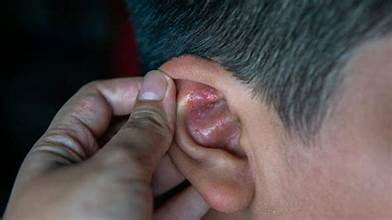
Conditions such as eczema, psoriasis, or seborrheic dermatitis can also affect the ears.
These often cause itching together with redness, scaling, or flaky skin.
7. Thyroid Conditions
An underactive thyroid can contribute to dry skin, which may include the ears.
If you also notice fatigue, constipation, feeling unusually cold, or unexplained weight changes, talk with your healthcare provider.
Simple Things You Can Do at Home
Small changes often make a noticeable difference.
Stay Hydrated
Healthy skin starts from within.
Try drinking water consistently throughout the day instead of waiting until you’re thirsty.
Eat Healthy Fats
Foods rich in healthy fats may support overall skin health.
Examples include:
- Salmon
- Walnuts
- Chia seeds
- Flaxseeds
- Avocados
Avoid Cotton Swabs
Cotton swabs can scratch the ear canal and remove protective earwax.
If you think wax buildup is the problem, ask your healthcare provider about the safest way to remove it.
Keep Stress Under Control

Stress won’t always be the cause, but reducing it may help lessen flare-ups.
Try:
- Walking
- Deep breathing
- Gentle stretching
- Journaling
- Spending time outdoors
Pay Attention to Triggers
Ask yourself:
Does it happen after…
- Washing your hair?
- Wearing earbuds?
- Swimming?
- Coloring your hair?
- Using perfume?
- Changing laundry detergent?
Keeping a simple symptom diary may help you spot patterns.
When Should You See a Doctor?

Most itchy ears are not an emergency.
However, seek medical advice if you have:
- Severe pain
- Hearing loss
- Drainage or pus
- Bleeding
- Fever
- Persistent itching that doesn’t improve
- Swelling around the ear
- A rash that spreads
Your healthcare provider can determine whether the cause is hormonal, an infection, eczema, allergies, or another condition.
Frequently Asked Questions

Can perimenopause really make my ears itch?
It may contribute for some women. Hormonal changes can make skin drier and more sensitive. However, itchy ears can also result from allergies, eczema, infections, excess or insufficient earwax, thyroid conditions, and other causes.
Why are my ears itchier at night?
Some people notice itching more at night because there are fewer distractions, skin naturally loses moisture overnight, or warmth from bedding can make existing irritation feel more noticeable.
Should I clean my ears more often?
Usually no.
Cleaning too often can remove the protective earwax your ears need.
Never insert cotton swabs or other objects into the ear canal.
Can dehydration make itchy ears worse?
Dehydration can contribute to dry skin, which may make itching feel worse for some people. Staying hydrated supports healthy skin overall.
Is itchy skin common during perimenopause?
Yes.
Many women experience drier or more sensitive skin during perimenopause, although the location and severity vary from person to person.
What vitamins help support healthy skin?
Eating a balanced diet with nutrients such as omega-3 fats, vitamins A, C, D, E, zinc, and protein supports overall skin health. If you’re considering supplements, discuss them with your healthcare provider, especially if you have medical conditions or take medications.
Can stress really make itching worse?
Yes.
Stress can increase the body’s sensitivity to itching and may worsen existing skin irritation in some people.
Will itchy ears go away after menopause?
For many women, skin changes improve as hormones stabilize after menopause, but experiences vary. If symptoms continue or worsen, a healthcare professional can help identify the underlying cause.
Final Thoughts

If you’ve been scratching your ears for weeks and wondering why no one talks about it, you’re not alone.
Itchy ears may seem like a small symptom, but sometimes they’re one more clue that your body is changing. Whether the cause is dry skin, allergies, hormonal changes, or something else, paying attention to these changes can help you find the right solution instead of simply putting up with the discomfort.
You know your body better than anyone else. If something doesn’t feel right—or if the itching is persistent, painful, or accompanied by other concerning symptoms—don’t hesitate to seek medical advice.
💚 Get Your Free Hormone Reset Guide💚
If you’re looking for practical, realistic ways to support your body during perimenopause, download my FREE 7-Day Hormone Reset Guide. It’s packed with simple habits to help you support your hormones, improve your daily routine, and feel more like yourself again. https://hormone-glow-daily.kit.com/33263119f4?utm_source=chatgpt.com
Medical Disclaimer
The information provided on Hormone Glow Daily is for educational and informational purposes only and is not intended to diagnose, treat, cure, or prevent any disease. While hormonal changes during perimenopause may contribute to symptoms such as dry or itchy ears for some women, many other conditions—including allergies, eczema, infections, thyroid disorders, and skin conditions—can cause similar symptoms. Always consult your physician or another qualified healthcare professional if you have persistent, worsening, or concerning symptoms, or before making significant changes to your diet, supplements, or healthcare routine. Never disregard professional medical advice or delay seeking it because of something you have read on this website.