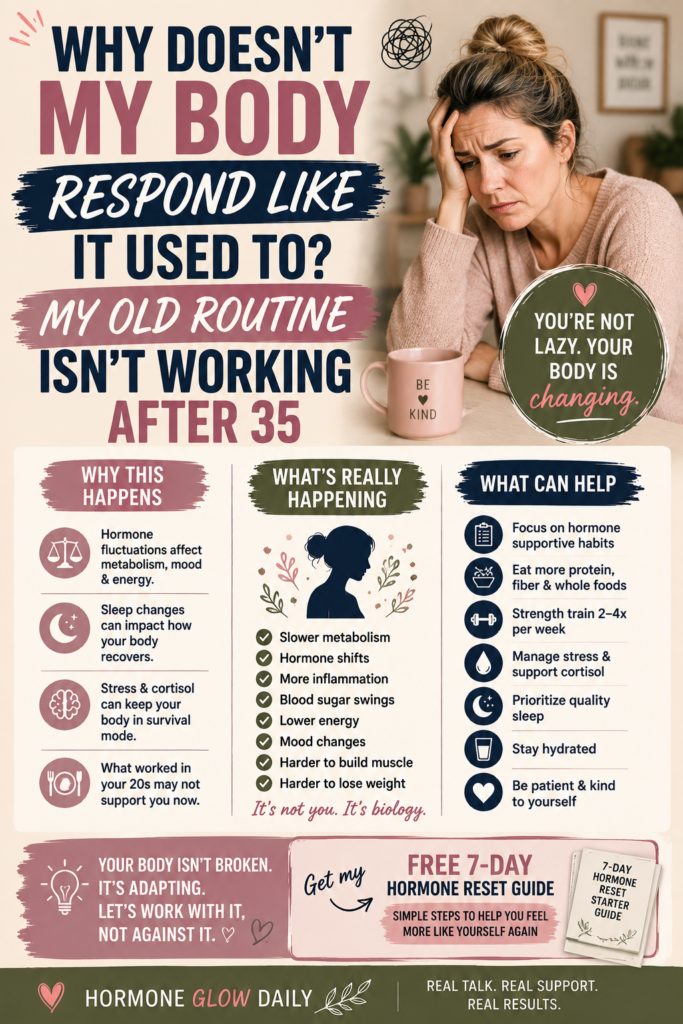
You’re eating the same foods. You’re trying to stay active. You may even be following the same routine that worked for years—but suddenly, your body seems to have different rules.
Your energy isn’t the same. Your sleep may be unpredictable. Your weight or waistline may be changing. You may feel more irritable, forgetful, bloated, or simply “off.”
And one of the most frustrating parts?
You may be wondering:
“What happened to my body?”
The answer isn’t necessarily that you’re doing something wrong.
As women move through midlife, the body can change in ways that affect sleep, menstrual cycles, mood, body composition, energy, and more. For some women, these changes are related to the menopausal transition; for others, something else may be contributing.
The good news is that you don’t have to keep guessing.
GET THE FREE 60 DAY HORMONE RESET GUIDE → https://www.etsy.com/listing/4539734804/60-day-hormone-reset-journal-for-women?sr_prefetch=1&pf_from=shop_home&ref=shop_home_active_6&dd=1&logging_key=b6dbcec71c1c5f1f9c358708ffba28b7266b2070%3A4539734804]
Why Your Old Routine May Not Feel Like It Works Anymore
One of the biggest mistakes we can make is assuming that because something worked at 25 or 30, it should automatically work the same way at 35, 40, or beyond.
But your body isn’t static.
During the menopausal transition, hormone levels fluctuate and eventually decline. This can coincide with changes in menstrual patterns, sleep, hot flashes, mood, memory, concentration, and body composition.
That doesn’t mean every change is caused by hormones.
It means that when several things start changing at the same time, it’s worth stepping back and looking at the whole picture instead of blaming yourself.
5 Reasons You May Feel Like Your Body Has Changed
1. Your energy may not behave the way it used to

Maybe you used to get through the day without thinking about your energy.
Now you might wake up tired, experience an afternoon crash, or feel like you need significantly more recovery after a busy day.
Poor sleep alone can contribute to daytime fatigue, and sleep disruption is common during the menopausal transition. Night sweats, difficulty falling asleep, or waking during the night can all interfere with restorative sleep.
The important question isn’t simply:
“Why am I tired?”
It’s:
“When did this start, and what else changed around the same time?”
That’s where tracking becomes useful.
2. Your weight or body shape may be changing
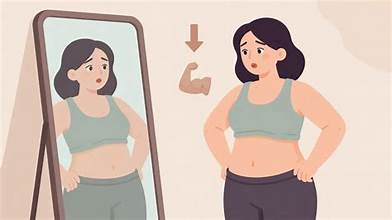
One of the most frustrating experiences can be noticing that your usual routine doesn’t seem to produce the same results.
You might think:
“I’m eating the same way.”
“I’m exercising.”
“I haven’t changed anything.”
Yet your waistline or body composition seems different.
During the menopausal transition, women may experience changes in body composition and fat distribution. Aging itself also plays a role, which is why it’s not accurate to blame every weight change on hormones alone.
Instead of immediately responding with a more restrictive diet, consider asking:
What else has changed?
Sleep?
Activity?
Stress?
Appetite?
Menstrual cycle?
Energy?
Food cravings?
This broader view can give you more useful information than focusing on the number on the scale alone.
3. Your sleep may suddenly become unpredictable
Perhaps you fall asleep normally but wake up at 2 or 3 a.m.
Or you wake up hot.
Or you sleep for eight hours but don’t feel rested.
Sleep problems can occur during the menopausal transition, and hot flashes or night sweats can interrupt sleep.
And here’s why this matters:
Sleep affects how you feel the following day.
A bad night can leave you exhausted, less focused, and more emotionally drained.
If poor sleep becomes a pattern, it deserves attention rather than being dismissed as “just getting older.”
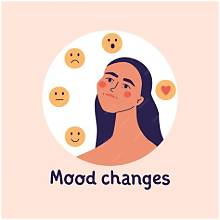
4. Your mood and concentration may feel different
Maybe you’re more irritable than you used to be.
Maybe you’re forgetting things.
Maybe you walk into a room and completely forget why you went there.
Or perhaps you’re struggling to concentrate on something that normally wouldn’t be difficult.
Mood changes, forgetfulness, and difficulty concentrating can occur during the menopausal transition. But stress, lack of sleep, depression, medications, and other health issues can also affect mood and cognition.
That’s why it’s important not to automatically assume:
“It’s my hormones.”
Instead:
Notice it. Track it. Talk about it.
5. Your menstrual cycle may start giving you clues
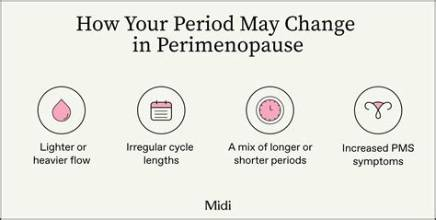
For many women, changes in their period are among the first noticeable signs of the menopausal transition.
Your cycle might become:
- Shorter
- Longer
- Heavier
- Lighter
- Less predictable
- Occasionally skipped
ACOG notes that menstrual-cycle changes are a common sign of perimenopause.
But unusual bleeding shouldn’t simply be written off as perimenopause.
For example, very heavy bleeding, bleeding between periods, bleeding after sex, or bleeding after menopause should be discussed with a healthcare professional.
So What Can You Do When Your Old Routine Isn’t Working?
The answer isn’t necessarily “try harder.”
Instead, start by getting more information about what’s actually happening.
Step 1: Stop looking at each symptom in isolation
Instead of:
“I’m tired.”
Look at:
“I’m tired + waking during the night + experiencing cycle changes + feeling more irritable.”
Instead of:
“I’m gaining weight.”
Look at:
“My waistline changed + my sleep changed + my appetite changed + my activity changed.”
You’re not diagnosing yourself.
You’re looking for patterns.
And symptom tracking can actually be useful when talking with your healthcare professional. ACOG provides a menopause symptom tracker specifically to help women document symptoms, how long they’ve been happening, and whether they’re getting better or worse.
Step 2: Focus on supportive habits
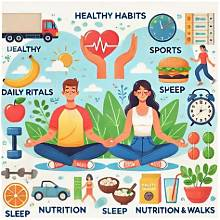
You don’t need to completely reinvent your life overnight.
Start with the basics:
🥗 Build balanced meals
Prioritize a varied eating pattern that includes nutrient-dense foods, adequate protein, fiber-rich foods, fruits, vegetables, and whole grains.
🚶 Stay physically active
Regular physical activity supports overall health during and after the menopause transition. The National Institute on Aging recommends staying physically active and maintaining healthy habits during this stage of life.
🏋️ Include strength training
Resistance exercise can be an important part of maintaining muscle and physical function as you age.
😴 Protect your sleep
Create a consistent sleep routine and pay attention to what repeatedly disrupts your sleep.
💧 Stay hydrated
Make hydration part of your everyday routine rather than waiting until you’re already thirsty.
📝 Track what’s changing
This may be the most overlooked step.
Don’t just track your weight.
Track patterns.
What Should You Track?
Try keeping a simple daily record of:
Sleep
- Bedtime
- Wake time
- Night wakings
- How rested you feel
Energy
- Morning energy
- Afternoon energy
- Evening energy
Mood
- Irritability
- Anxiety
- Mood changes
- Emotional ups and downs
Body changes
- Bloating
- Hot flashes
- Night sweats
- Headaches
- Body aches
Cycle
- Period start date
- Flow
- Cycle length
- Spotting or unusual bleeding
Food & cravings
- Major cravings
- Appetite changes
- Foods that seem to trigger discomfort
The goal isn’t to obsess over every symptom.
The goal is to collect enough information to recognize patterns you might otherwise overlook.
What If I Feel Like Something Is Wrong but My Routine Hasn’t Changed?

This is one of the most frustrating situations.
You haven’t intentionally changed anything, yet you don’t feel like yourself.
That’s exactly when stepping back can help.
Ask yourself:
What changed first?
Was it your sleep?
Your cycle?
Your energy?
Your mood?
Your appetite?
Your body composition?
Your stress level?
Your activity?
Sometimes the answer isn’t obvious because several changes happen gradually rather than all at once.
Frequently Asked Questions
Is it normal for your body to change after 35?
Some changes are a normal part of aging, while others may be related to the menopausal transition. Perimenopause can begin in the 30s or 40s, but the timing varies considerably.
Feeling different does not automatically mean you’re in perimenopause.
Does weight gain after 35 always mean hormonal changes?
No.
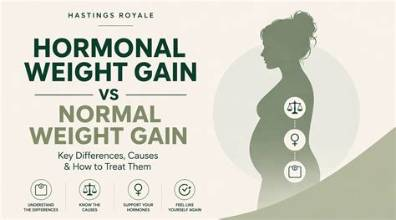
Changes in body composition can occur during midlife, but weight can also be influenced by aging, activity, sleep, diet, medications, stress, and other health factors.
That’s why looking at the whole picture is more useful than assuming one cause.
Can perimenopause cause sleep problems?
Yes. Sleep difficulties are common during the menopausal transition, and night sweats can make sleep disruption worse.
Can perimenopause affect mood?
Mood changes and irritability can occur during the menopausal transition. However, mood symptoms can have many causes, so persistent or severe symptoms deserve professional attention.
Should I track my symptoms?
Tracking can be extremely useful because it gives you a record of what you’re experiencing, when it started, and whether it’s changing.
It can also make conversations with your healthcare professional more productive.
Do I need a hormone test to know if I’m in perimenopause?
Not necessarily.
Healthcare professionals may consider your age, symptoms, menstrual history, and other factors. Hormone testing isn’t always needed to identify the menopausal transition, although testing may be appropriate in certain situations.
💛 Stop Fighting Your Body and Start Understanding It
If your old routine doesn’t seem to work anymore, that doesn’t automatically mean you’re lazy, undisciplined, or doing everything wrong.
Your body changes throughout life.
The goal isn’t to chase every new symptom with another restrictive diet, supplement, workout, or wellness trend.
The goal is to understand what’s happening, identify patterns, build supportive habits, and know when it’s time to get professional help.
And that’s exactly why I created the 60 Day Reset Hormone Guide .
👉 Ready to stop guessing?
GET THE FREE 60 DAY HORMONE RESET GUIDE → https://www.etsy.com/listing/4539734804/60-day-hormone-reset-journal-for-women?sr_prefetch=1&pf_from=shop_home&ref=shop_home_active_6&dd=1&logging_key=b6dbcec71c1c5f1f9c358708ffba28b7266b2070%3A4539734804]
Use the guide as a starting point for creating simple, manageable habits and paying closer attention to what your body is telling you.
You don’t have to completely start over. You may simply need a different approach for the body you have today.
🚨 When You Should Talk With a Healthcare Professional

Don’t assume every new symptom is caused by perimenopause or aging.
Talk with a healthcare professional if symptoms are persistent, worsening, interfering with daily life, or concerning you.
You should also seek medical evaluation for unusual bleeding, including very heavy bleeding, bleeding between periods, bleeding after sex, or any bleeding after menopause.
And if you have sudden, severe, or concerning symptoms, seek appropriate medical care rather than relying on a wellness guide.
Medical Disclaimer
This article is for educational and informational purposes only and is not medical advice, diagnosis, or treatment. Hormone Glow Daily does not diagnose, treat, cure, or prevent any medical condition. Symptoms discussed in this article can have many possible causes and should not automatically be attributed to perimenopause, menopause, hormones, stress, or aging. Always speak with a qualified healthcare professional about new, persistent, severe, or concerning symptoms and before making significant changes to your diet, exercise, medications, supplements, or healthcare plan.
This article is not a substitute for professional medical care.