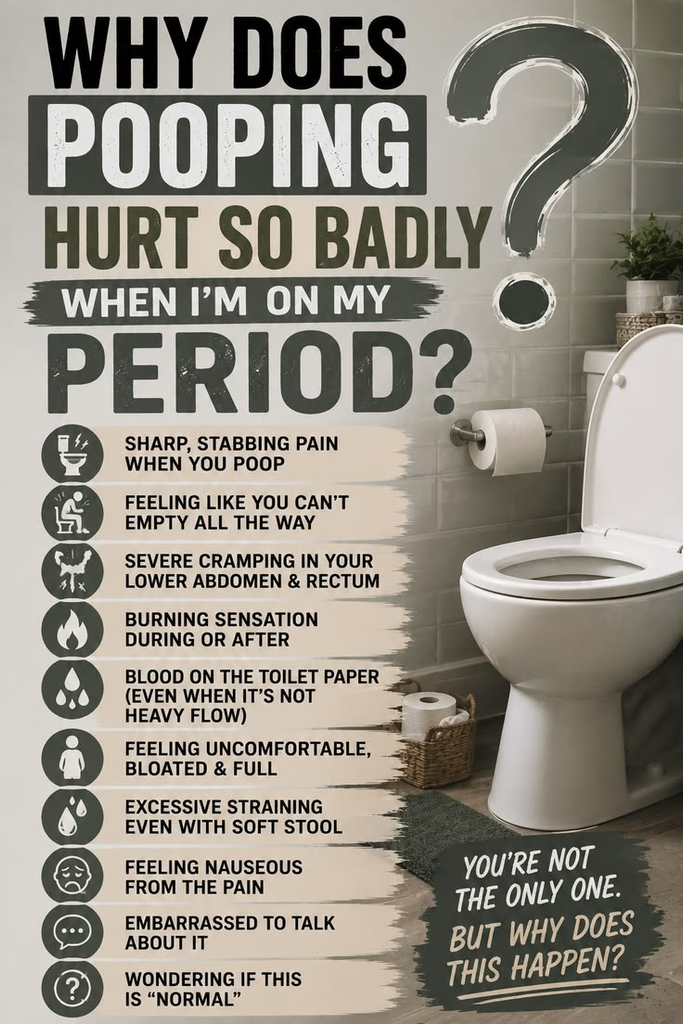
Sharp pain when you have a bowel movement during your period isn’t something most women casually talk about.
You might be comfortable discussing cramps, bloating, or a heavy period—but telling someone that going to the bathroom hurts so badly that you dread it can feel embarrassing.
Maybe you experience a sharp or stabbing pain when you poop. Maybe you feel pressure in your rectum, strain even when your stool isn’t particularly hard, or feel like you still need to go after you’ve finished.
And then there’s the question many women quietly ask themselves:
“Is this just part of having my period?”https://amzn.to/3SmWofU
Sometimes bowel changes around your period can happen because of normal menstrual-related changes or constipation. But severe or recurring pain with bowel movements—especially when it happens during your period—is worth paying attention to.
Affiliate Disclosure: This post may contain affiliate links. If you purchase through one of these links, Hormone Glow Daily may earn a commission at no additional cost to you. I only recommend products that may be relevant to the topic discussed.
Why Can Pooping Hurt During Your Period?
There isn’t just one possible explanation.
Your digestive system and reproductive system are located close together, and menstrual changes can affect how your abdomen and bowel feel.
1. Constipation Can Make Bowel Movements Painful
Constipation isn’t only about not going to the bathroom.https://amzn.to/3SmWofU
You can also have constipation when:
- Your stool is hard or dry
- You have to strain
- Passing stool hurts
- You feel like you haven’t completely emptied your bowel
- Your bowel movements become less frequent
These are recognized symptoms of constipation.
When stool is hard or difficult to pass, repeatedly pushing can increase discomfort around the rectum and anus.
And if you’re already experiencing menstrual cramps, adding constipation and straining can make the entire experience feel significantly worse.
2. Hemorrhoids Can Cause Pain or Bleeding
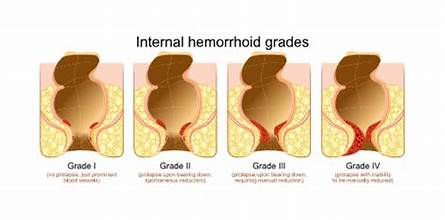
Another possibility is hemorrhoids.
Straining during bowel movements can contribute to hemorrhoids. Internal hemorrhoids may cause bright-red blood on toilet paper or in the toilet, while external hemorrhoids can cause soreness, aching, itching, or a tender lump near the anus.
This is important because blood on toilet paper shouldn’t automatically be blamed on your period.https://amzn.to/3SmWofU
If you repeatedly notice rectal bleeding, it’s worth discussing with a healthcare professional.
3. An Anal Fissure Can Make Pooping Extremely Painful
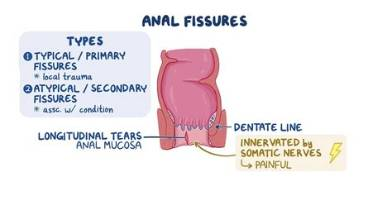
An anal fissure is a small tear in the tissue around the anus.
One clue can be sharp pain during a bowel movement, sometimes followed by continued burning or discomfort afterward.
Constipation and passing hard stool can contribute to fissures.
That can create a frustrating cycle:
Hard stool → painful bowel movement → fear of going → holding stool → harder stool → more pain
If this sounds familiar, don’t assume you simply need to “push through it.”
4. Your Period Can Change Your Bowel Habits
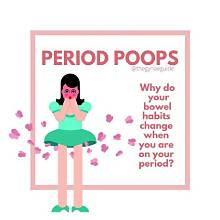
Your bowel habits can change around your menstrual cycle.
Some women notice constipation, while others experience looser stools or diarrhea around their period.
Period-related abdominal cramping can also make bowel movements feel more uncomfortable.
ACOG notes that menstrual pain can include lower-abdominal or back cramps, nausea, diarrhea, and other symptoms.
But there’s an important distinction:
Mild changes in bowel habits are one thing. Severe, recurring pain when you poop every period is another.
5. Could Painful Bowel Movements During Your Period Be Endometriosis?
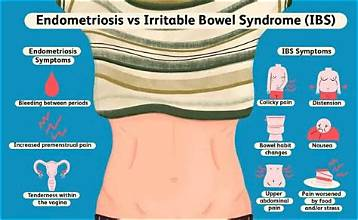
This is one of the reasons I don’t want women to automatically assume that painful bowel movements are simply “normal period problems.”
Endometriosis can affect tissues around the bowel and cause pain during bowel movements, particularly before or during a menstrual period. ACOG specifically lists pain during bowel movements as a possible symptom when endometriosis affects the bowel.
Other symptoms can include:
- Severe period pain
- Pelvic pain
- Lower-back pain
- Pain during sex
- Pain with urination
- Constipation
- Diarrhea
- Bloating
- Nausea
- Heavy menstrual bleeding
Mayo Clinic also notes that bowel-movement pain is often more noticeable before or during a period in people with endometriosis.
That does NOT mean painful bowel movements automatically mean you have endometriosis.
It means that if this happens repeatedly, is severe, or is getting worse, it’s worth telling your OB-GYN exactly what you’re experiencing.
What If Constipation Is Part of the Problem?
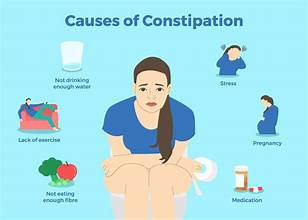
If your bowel movements are genuinely hard, dry, infrequent, or require significant straining, constipation may be contributing to the pain.
There are several basic things that can help support regular bowel movements.
Gradually increase fiber https://amzn.to/4gYGkKt
Adults generally need about 22–34 grams of fiber per day, depending on age and sex. NIDDK recommends increasing fiber gradually rather than suddenly adding a large amount, because a rapid increase can cause gas and bloating.
Foods containing fiber include:
- Oatmeal
- Berries
- Apples
- Pears
- Beans
- Lentils
- Vegetables
- Nuts
- Whole grains
Drink enough fluids
Fluids help fiber work properly and can help keep stool softer.
Don’t ignore the urge
Holding your bowel movement can contribute to constipation. NIDDK recommends using the bathroom when you feel the urge and allowing yourself enough time rather than repeatedly rushing.
Give your body a better position
A small footstool can sometimes make the bathroom position more comfortable and help you relax instead of straining.
When Should You Talk to a Doctor?
This is probably the most important part of this entire article.
Don’t just keep treating the symptom yourself if you experience:
- Severe pain with bowel movements
- Pain that happens repeatedly around every period
- Pain that’s getting worse over time
- Rectal bleeding
- Blood in your stool
- Persistent abdominal or pelvic pain
- Pain with sex
- Pain when urinating during your period
- Significant constipation that doesn’t improve
- Unexplained weight loss
- Fever or vomiting
NIDDK advises seeking medical care for constipation accompanied by rectal bleeding, blood in the stool, constant abdominal pain, vomiting, fever, inability to pass gas, or unexplained weight loss.
And if the pain is specifically connected to your menstrual cycle, tell your OB-GYN that your bowel movements become painful during your period. That detail can be medically useful.
What Should You Tell Your Doctor?
You don’t need to feel embarrassed.
Instead of simply saying:
“My periods hurt.”
Try being specific:
“During my period, I get severe pain when I have a bowel movement.”
Then tell them:
- When the pain starts
- Whether it’s before, during, or after your period
- Where you feel the pain
- Whether your stool is hard or normal
- Whether you have to strain
- Whether you see blood
- Whether you have diarrhea or constipation
- Whether you experience pelvic pain
- Whether sex or urination is painful
- Whether the symptoms are getting worse
Keeping a cycle and symptom diary can also help you notice whether the problem consistently follows your menstrual cycle.
What About Perimenopause?
If you’re over 35 and beginning to notice new changes in your periods, digestion, bloating, constipation, or pelvic symptoms, it can be tempting to blame everything on perimenopause.
But new or severe pain shouldn’t automatically be labeled a hormone symptom.
Perimenopause can bring many changes, but that doesn’t mean every new symptom should simply be accepted.
Your body is giving you information. The goal is to understand what’s normal for you and what deserves a closer look.
Frequently Asked Questions
Is it normal for poop to hurt during your period?
Mild digestive changes can occur around menstruation, but severe or recurring pain with bowel movements isn’t something you should simply ignore. Painful bowel movements during periods can occur with conditions such as endometriosis.
Why does it hurt to poop when I’m on my period but not the rest of the month?
The timing is important. Menstrual-related pelvic inflammation and conditions such as endometriosis can cause bowel-movement pain that is worse before or during menstruation.
Can constipation cause painful pooping?
Yes. Hard or difficult-to-pass stool and straining are common constipation symptoms and can make bowel movements painful.
What if I see blood when I wipe?
Don’t automatically assume it’s from your period. Rectal bleeding can have several causes, including hemorrhoids, but NIDDK recommends medical evaluation when constipation occurs with rectal bleeding or blood in the stool.
Does painful pooping during my period mean I have endometriosis?
No. It is one possible explanation, not a diagnosis. Endometriosis can cause pain with bowel movements, particularly around menstruation, but other conditions can cause similar symptoms.
When should I seek urgent medical care?
Seek prompt medical attention for severe or worsening pain, significant rectal bleeding, black/tarry stools, fainting or dizziness, fever, vomiting, inability to pass gas, or severe abdominal pain.
❤️ You Don’t Have to Be Embarrassed About This

If you’ve been quietly thinking:
“Why does going to the bathroom hurt so badly when I’m on my period?”
you’re not asking a silly question.
It’s a symptom worth talking about—especially when the pain is severe, happens repeatedly, or is getting worse.
A bowel movement should not be something you dread every month.
Pay attention to the pattern. Write down what happens. And tell your healthcare professional exactly what you’re experiencing.
Medical Disclaimer
This article is for general educational and informational purposes only and is not intended to diagnose, treat, cure, or prevent any disease or medical condition. Information provided here should not replace individualized medical advice from a qualified healthcare professional. If you have severe, persistent, worsening, or unexplained pain, rectal bleeding, blood in your stool, fever, vomiting, fainting, or other concerning symptoms, seek appropriate medical care. Do not start, stop, or change medications or supplements based solely on this article.
Affiliate Disclaimer
Some links in this article may be affiliate links. If you purchase a product through an affiliate link, Hormone Glow Daily may receive a small commission at no additional cost to you. Affiliate relationships do not determine the medical information provided in this article.