Affiliate Disclosure: This article contains affiliate links. If you purchase through these links, I may earn a small commission at no additional cost to you. I only recommend products that I believe may be genuinely helpful for women navigating perimenopause. Thank you for supporting Hormone Glow Daily.
If you feel wired at night, bloated after dinner, wake up tired, crave sugar, or carry stubborn belly puffiness, your dinner habits could be quietly working against your stress hormones.
Why Dinner Can Affect Cortisol More Than You Think
Cortisol is your body’s main stress hormone. While it naturally rises in the morning and lowers at night, poor dinner habits may make it harder for your body to relax, digest, and recover.
The good news? Small dinner changes can support better sleep, steadier blood sugar, less bloating, and calmer evenings.
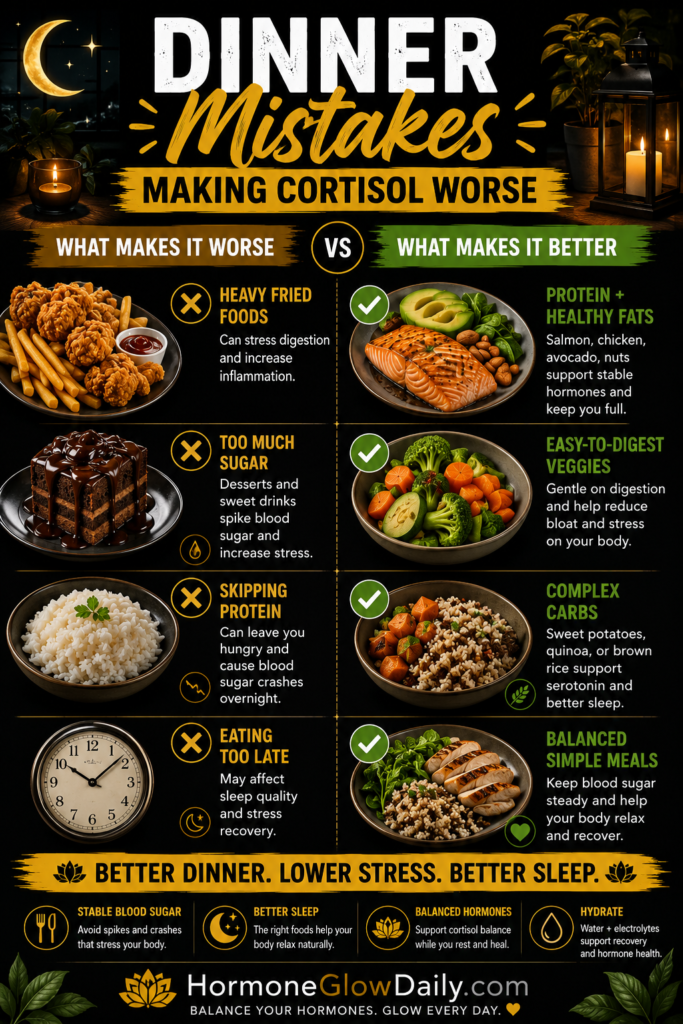
Problem 1: Eating Heavy Fried Foods at Night
Why it may make things worse

Fried foods can feel comforting, but heavy meals late in the day may feel harder to digest for some people and can leave you overly full or uncomfortable before bed.
Examples:
- Fried chicken
- Fast food
- Onion rings
- Greasy takeout
- Heavy creamy meals
You may notice:
- Bloating
- Feeling heavy
- Restless sleep
- Stomach discomfort
Better option
Choose lighter protein + easy carbs + simple veggies
Examples:
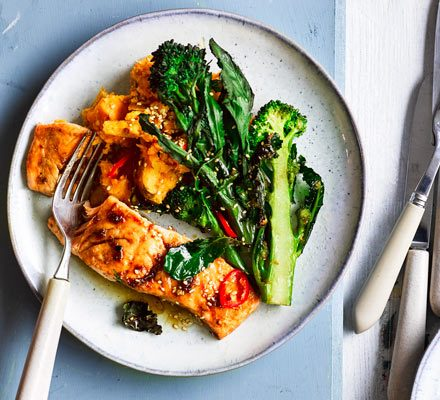
- Grilled chicken + rice + zucchini
- Salmon + sweet potato + spinach
- Turkey + potatoes + carrots
Problem 2: Too Much Sugar After Dinner
Why it may make things worse
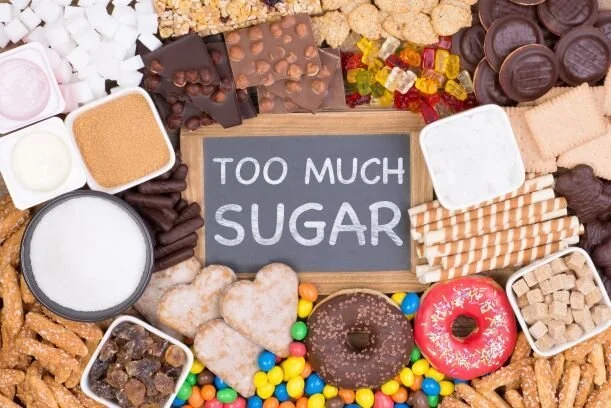
Desserts, sugary coffee drinks, or sweet snacks at night can create quick energy spikes followed by crashes.
Examples:
- Cake
- Ice cream
- Candy
- Sugary cereal
- Sweet coffee drinks
You may notice:
- Cravings
- Energy crashes
- Hunger later
- Feeling “wired but tired”
Better option
Try naturally balanced choices:
- Greek yogurt + berries (if dairy works for you)
- Apple + nut butter
- Herbal tea
- Small dark chocolate square
- Cinnamon oats
Problem 3: Skipping Protein at Dinner
Why it may make things worse
If dinner is mostly bread, pasta, or snack foods, you may feel hungry later or less satisfied.
Examples:
- Toast only
- Pasta without protein
- Chips
- Snack plates with no protein
You may notice:
- Late-night snacking
- Hunger soon after eating
- Blood sugar swings
- Low energy
Better option
Aim for simple protein:
- Chicken
- Salmon
- Tuna
- Tofu
- Turkey
- Eggs (if they don’t worsen digestion for you)
Problem 4: Eating Too Late
Why it may make things worse
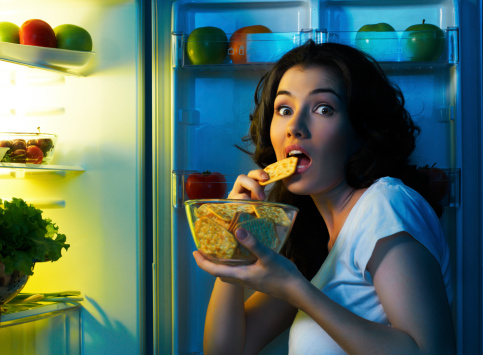
Very large meals right before bed may feel uncomfortable and may affect sleep for some people.
- Acid reflux
- Full stomach
- Poor sleep
- Restless nights
Foods some people find harder:
Better option
Try eating dinner earlier when possible:
A simple goal:
2–3 hours before bed
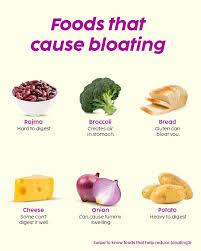
Problem 5: Hard-to-Digest Foods Causing Bloating
Since many people struggle with bloating, dinner can matter.
Salmon + sweet potato + spinach
- Fried foods
- Large dairy meals
- Beans
- Onions
- Garlic
- Broccoli
- Cauliflower
- Carbonated drinks
(These match your digestion-focused content and your simple food direction.)
Better option
Try easier foods:
- Rice
- Potatoes
- Carrots
- Zucchini
- Spinach
- Chicken
- Salmon
- Oats
Simple Cortisol-Friendly Dinner Formula
Keep it easy:
1 Protein
Chicken, salmon, turkey, tofu
1 Gentle Carb
Rice, sweet potato, potato, oats
1 Easy Veggie
Carrots, spinach, zucchini, cucumber
Healthy Fat
Avocado, olive oil, nuts
3 Easy Dinner Ideas
1) Calm Belly Plate
Grilled chicken + white rice + zucchini
2) Sleep Support Plate
3) Easy Digestion Bowl
Turkey + potatoes + carrots
Final Takeaway
You do not need a perfect diet.

Small dinner changes may help support:
- Better sleep
- Less bloating
- More stable energy
- Better digestion
- Balanced daily habits
Disclaimer: The information on Hormone Glow Daily is provided for educational and informational purposes only and is not intended as medical advice, diagnosis, or treatment. Always consult a qualified healthcare professional before making changes to your diet, supplements, medications, or wellness routine.