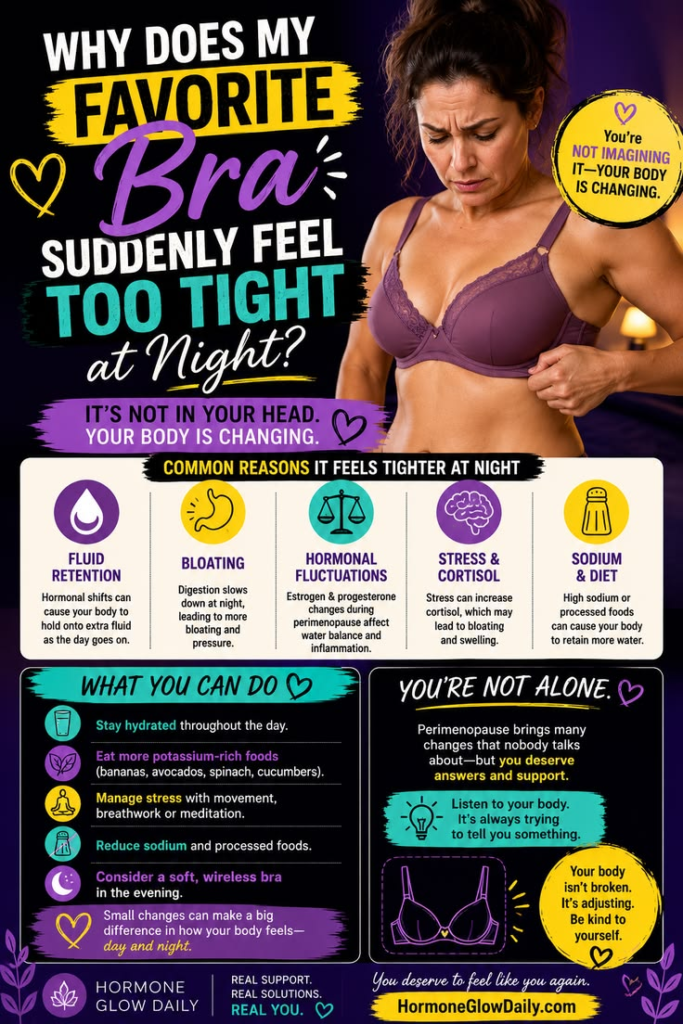
Title: Why Does My Bra Feel Tight at Night? Causes, Solutions & Perimenopause Tips
Description: Does your bra feel comfortable in the morning but painfully tight by evening? Learn what may be causing it, how perimenopause can play a role, practical tips that may help, and when it’s time to talk to your doctor.
Have You Been Wondering…
You wake up, get dressed, and your bra fits perfectly.
By dinner?
It suddenly feels tight, uncomfortable, and the first thing you want to do when you get home is take it off.
Maybe you’ve even wondered:
- Did I gain weight today?
- Do I suddenly need a bigger bra?
- Why does this only happen at night?
If that sounds familiar, you’re not alone.
Many women notice this change during their late 30s and 40s, especially during perimenopause. While a tight bra isn’t always caused by hormones, everyday factors like bloating, fluid retention, stress, diet, and hormonal changes can all contribute.
The good news?
There are simple habits that may help you feel more comfortable by the end of the day.
Why Does It Happen?
Your body naturally changes throughout the day.
As the hours pass, you may retain more fluid, experience digestive bloating, or notice swelling around your chest and rib cage. During perimenopause, fluctuating estrogen and progesterone levels can make some women more sensitive to these changes.
Instead of assuming you’ve suddenly gained weight, it helps to look at what your body has experienced throughout the day.
Common Reasons Your Bra Feels Tighter at Night
1. Fluid Retention
Hormonal changes can affect how your body regulates fluids.
You may notice:
- Tight rings
- Puffy fingers
- Swollen feet
- A tighter bra by evening
What may help
- Drink water consistently throughout the day.
- Limit very salty processed foods.
- Take short walks to encourage circulation.
- Elevate your legs if you’ve been sitting for long periods.
2. Bloating
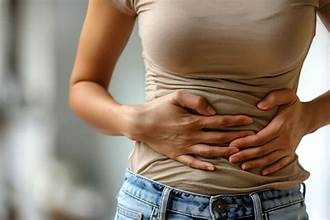
Your stomach doesn’t have to be the only place that bloats.
Gas and digestive discomfort can make your rib cage and upper abdomen feel tighter, making your bra seem smaller than it was that morning.
Foods that commonly trigger bloating for some people
- Carbonated drinks
- Highly processed foods
- Large evening meals
- Excess sodium
- Excess alcohol
Try keeping a simple food journal to see if certain foods consistently leave you feeling uncomfortable.
3. Hormonal Changes During Perimenopause
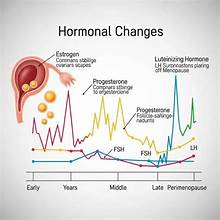
As estrogen and progesterone fluctuate, some women experience:
- Breast tenderness
- Fluid retention
- Increased bloating
- Greater sensitivity around the chest
These changes may come and go from week to week.
4. Stress

When you’re stressed, your body responds in many ways.
Chronic stress may affect sleep, digestion, eating habits, and overall well-being, all of which can make you feel more uncomfortable by the end of the day.
Small stress-reducing habits
- Deep breathing for five minutes
- Evening walks
- Gentle stretching
- Reading instead of scrolling before bed
- Spending time outdoors
5. Sodium Intake
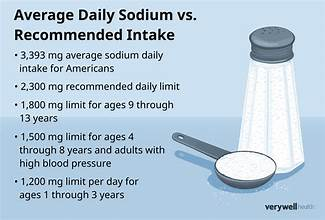
Many packaged foods contain far more sodium than we realize.
Extra sodium can encourage your body to retain more water.
Instead of eliminating salt completely, focus on:
- Cooking more meals at home
- Choosing lower-sodium options when possible
- Balancing meals with fruits and vegetables rich in potassium
Could Your Bra Actually Be the Problem?
Sometimes the answer isn’t your body.
Bras naturally stretch over time, while others lose flexibility or simply aren’t the right fit anymore.
Consider asking yourself:
- Is the band digging into my skin?
- Do I feel relief immediately after taking it off?
- Has this bra become uncomfortable even though it used to fit well?
If so, it may be time to get professionally measured or try a different style.
Simple Habits That May Help
Instead of looking for one magic solution, try building healthy daily habits.
✔ Stay hydrated
Aim to drink water consistently rather than waiting until you’re thirsty.
✔ Eat balanced meals
Include:
- Protein
- Fiber
- Healthy fats
- Colorful vegetables
- Whole grains
Balanced meals can help support steady energy and overall health.
✔ Move your body
Even a 15- to 20-minute walk after dinner may help support circulation and reduce stiffness from sitting all day.
✔ Prioritize Sleep
Poor sleep can affect stress levels, appetite, and how you feel physically the next day.
Create a relaxing bedtime routine whenever possible.
✔ Listen to Your Body
Your body isn’t working against you.
It’s giving you information.
The more you notice patterns, the easier it becomes to make small adjustments that support your health.
When Should You Talk to Your Doctor?

A tight bra by itself isn’t usually an emergency.
However, make an appointment if you notice:
- Swelling that happens suddenly
- Swelling only on one side
- Persistent breast pain
- New lumps or skin changes
- Shortness of breath
- Swelling in your legs that doesn’t improve
- Symptoms that continue getting worse
A healthcare professional can help determine whether hormones, medication, heart conditions, thyroid problems, or another medical issue may be contributing.
Frequently Asked Questions
Is it normal for my bra to fit differently throughout the day?
Yes. Many women notice changes as the day goes on due to fluid shifts, digestion, posture, and hormonal fluctuations.
Can perimenopause make my bra feel tighter?
It can contribute for some women. Hormonal changes may increase bloating, breast tenderness, and fluid retention, though other factors can also be involved.
Does drinking more water actually help?
Staying well hydrated supports your body’s normal fluid balance and may help reduce the tendency to retain water for some people.
Should I buy a larger bra?
Not necessarily. If your bras consistently feel uncomfortable, getting professionally fitted can help determine whether the issue is sizing, style, or temporary body changes.
What foods may make bloating worse?
This varies from person to person, but common triggers include high-sodium processed foods, alcohol, large meals, and carbonated beverages.
When should I be concerned?
If swelling is severe, affects only one side, is accompanied by pain, redness, skin changes, fever, or shortness of breath, seek medical evaluation promptly.
Final Thoughts

If you’ve been counting down the hours until you can finally take your bra off every night, know that you’re not alone.
It doesn’t automatically mean you’ve gained weight or that your body is “falling apart.”
Sometimes it’s simply your body responding to a full day of eating, moving, working, stressing, and—during perimenopause—navigating changing hormone levels.
Small, consistent habits often make a bigger difference than trying to change everything overnight.
Be patient with yourself, pay attention to your body’s patterns, and don’t hesitate to reach out to your healthcare provider if something doesn’t feel right.
Medical Disclaimer
This article is for educational and informational purposes only and is not intended as medical advice, diagnosis, or treatment. Every woman’s body is different, and symptoms such as bloating, swelling, breast discomfort, or changes during perimenopause can have many possible causes. Always consult your physician or another qualified healthcare professional regarding any questions you have about your health or before making significant changes to your diet, exercise routine, or treatment plan. Never ignore professional medical advice or delay seeking it because of something you have read on this website.