Affiliate Disclosure: This article contains affiliate links. If you purchase through these links, I may earn a small commission at no additional cost to you. I only recommend products that I believe may be genuinely helpful for women navigating perimenopause. Thank you for supporting Hormone Glow Daily.
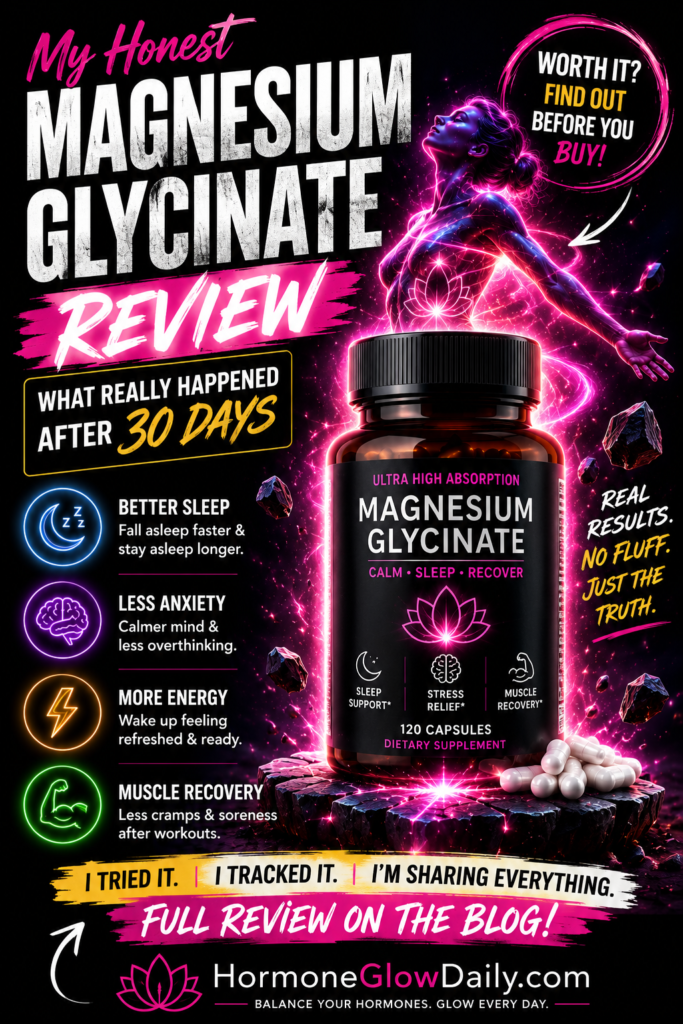
Feeling Tired, Stressed, Wired at Night, or Struggling to Recover?
If you’re constantly tired but still can’t relax, waking up at 3 AM, dealing with stress, muscle tension, poor sleep, or feeling mentally drained—you’re not alone.
Many women over 35 deal with:
- Trouble falling asleep
- Waking up during the night
- Anxiety or overthinking
- Muscle tightness or soreness
- Low energy
- Brain fog
- Stress that never fully shuts off
That’s why many people start looking into magnesium glycinate, one of the most talked-about magnesium forms for sleep, calm, and recovery.
What Is Magnesium Glycinate?
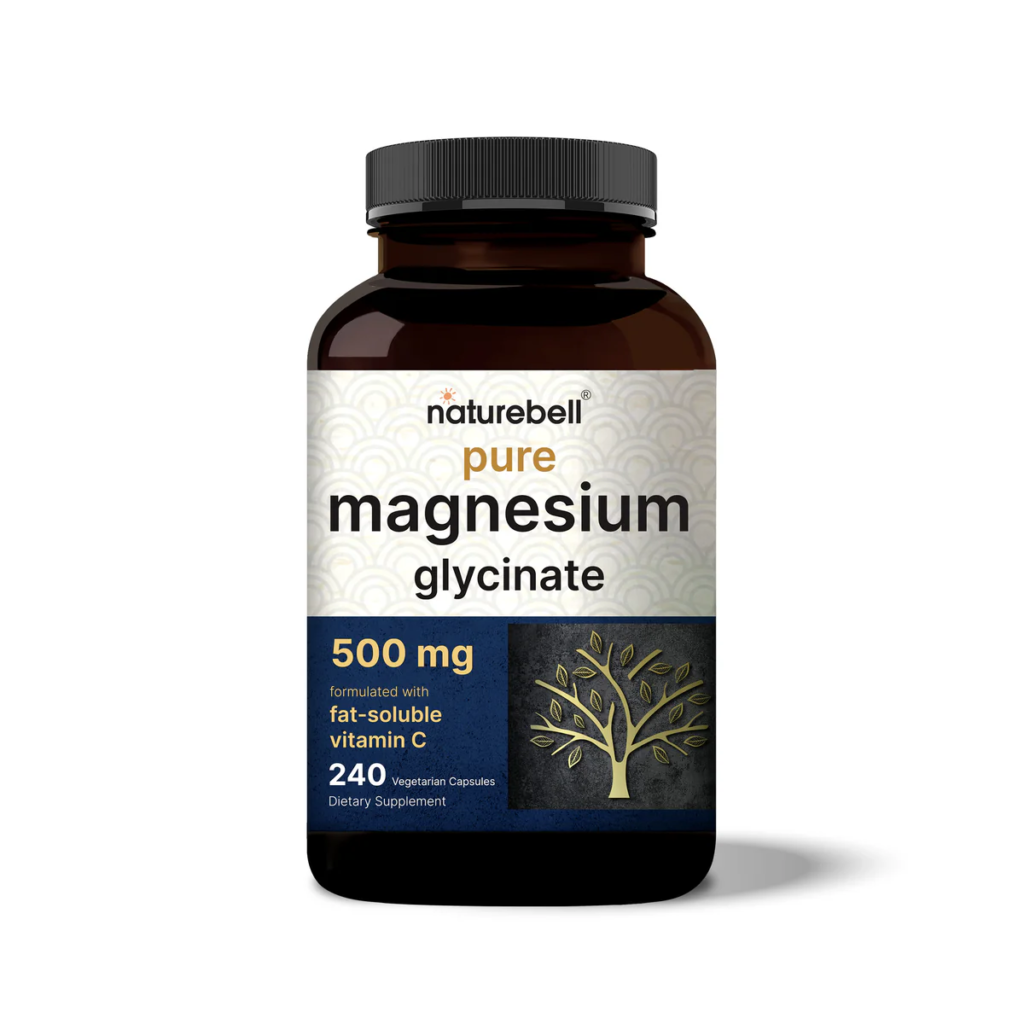
Magnesium glycinate is magnesium bound to glycine, an amino acid often associated with calming support.
People often choose it because it’s commonly used for:
- Relaxation support
- Sleep support
- Stress support
- Muscle recovery
- Nervous system support
It’s also often preferred because some people find it gentler than other magnesium forms.
Why Low Magnesium Can Be a Problem
Low magnesium intake can sometimes contribute to symptoms like:
- Muscle cramps
- Tension
- Fatigue
- Restless sleep
- Feeling “wired but tired”
- Irritability
- Headaches
- Low recovery after workouts
(These symptoms can have many causes—not just magnesium.)
What I Wanted to Know Before Trying It
Before adding a supplement, I wanted real answers:
Can magnesium glycinate actually help? Is it worth the money? Or is it just another wellness trend?
What Magnesium Glycinate May Help With
1) Sleep Support

Many people use it because magnesium plays a role in relaxation and nervous system function.
It may help support:
- Falling asleep easier
- Better sleep quality
- Feeling calmer before bed
2) Stress & Overthinking

When stress stays high, your body can feel constantly “on.”
Magnesium may support:
- Relaxation
- Calmer evenings
- Less tension
3) Muscle Recovery

Often used by active people for:
- Muscle tightness
- Cramping
- Recovery support
4) Nervous System Support
Magnesium is involved in many body functions, including nerve and muscle function.
Who Might Benefit Most

This may be worth researching if you deal with:
- Poor sleep
- Night waking
- Muscle cramps
- High stress
- Overthinking
- Tension
- Feeling tired but wired
Possible Downsides / What to Know
No supplement works for everyone.
Things to think about:
- Results vary person to person
- Too much magnesium can cause digestive issues
- Some people may not notice a difference
- Always check interactions or medical guidance if needed
How to Support Better Results (Solution Beyond Just a Supplement)

Magnesium works best as part of a bigger routine:
1. Improve Sleep Habits
- Consistent bedtime
- Lower evening screen time
- Cooler dark room
2. Lower Stress
- Walks
- Breathing
- Nervous system calming habits
3. Hydration
Hydration supports overall recovery.
4. Whole Foods
Magnesium-rich foods:
- Pumpkin seeds
- Spinach
- Almonds
- Avocados
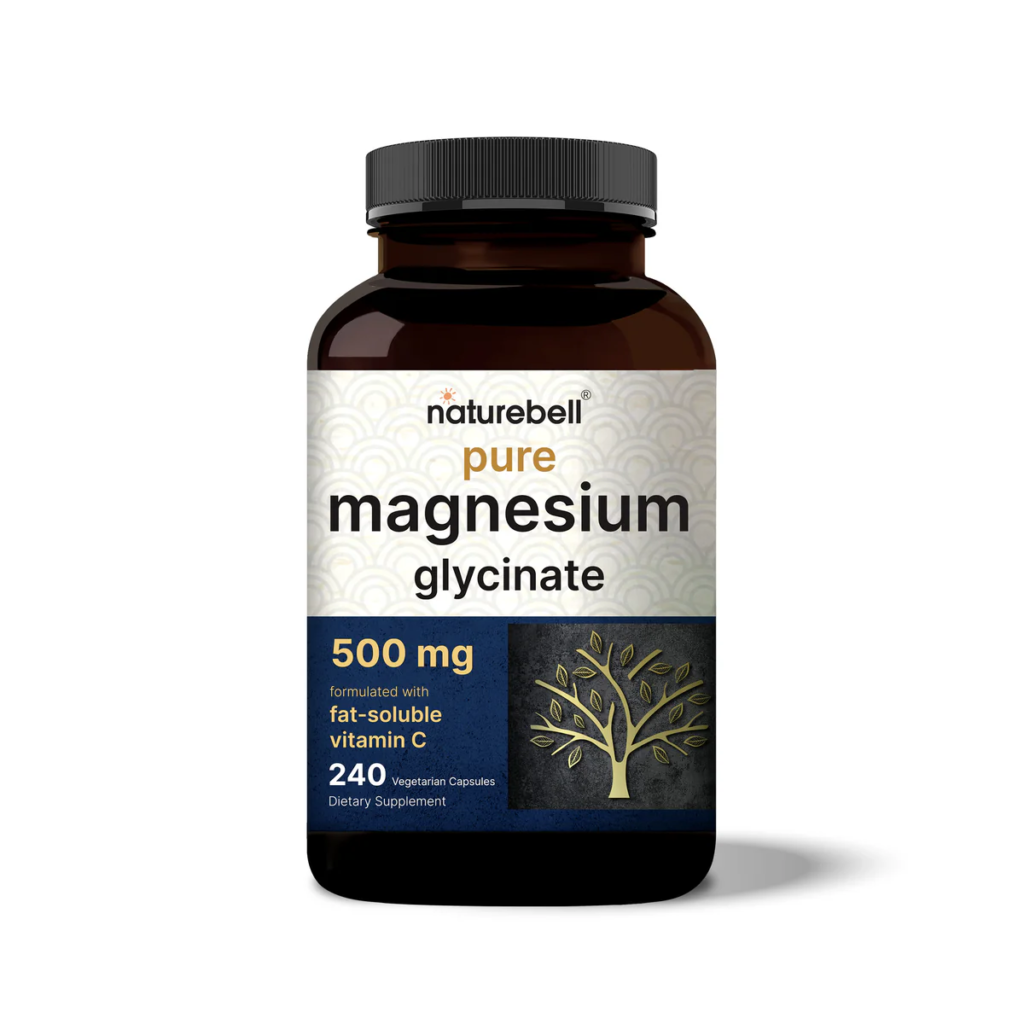
Is Magnesium Glycinate Worth It?
If your biggest struggles are:
- Poor sleep
- Stress
- Tension
- Recovery
- Feeling mentally overloaded
…it may be worth looking into as part of a wellness plan.
But the real solution isn’t just buying a supplement—it’s supporting sleep, stress, recovery, and daily habits together.
Final Thoughts
If you’ve been waking up tired, feeling stressed, struggling to relax, or dealing with muscle tension, magnesium glycinate is popular for a reason.
It may not be magic—but for the right person, it can be one helpful piece of a better wellness routine.
Disclaimer: The information on Hormone Glow Daily is provided for educational and informational purposes only and is not intended as medical advice, diagnosis, or treatment. Always consult a qualified healthcare professional before making changes to your diet, supplements, medications, or wellness routine.