Affiliate Disclosure: Some of the links on Hormone Glow Daily are affiliate links. This means that if you click through and make a purchase, I may earn a small commission at no additional cost to you. I only recommend products that I believe are helpful and relevant to my readers. Your support helps keep Hormone Glow Daily running and allows me to continue creating free wellness content. Thank you for supporting my work!
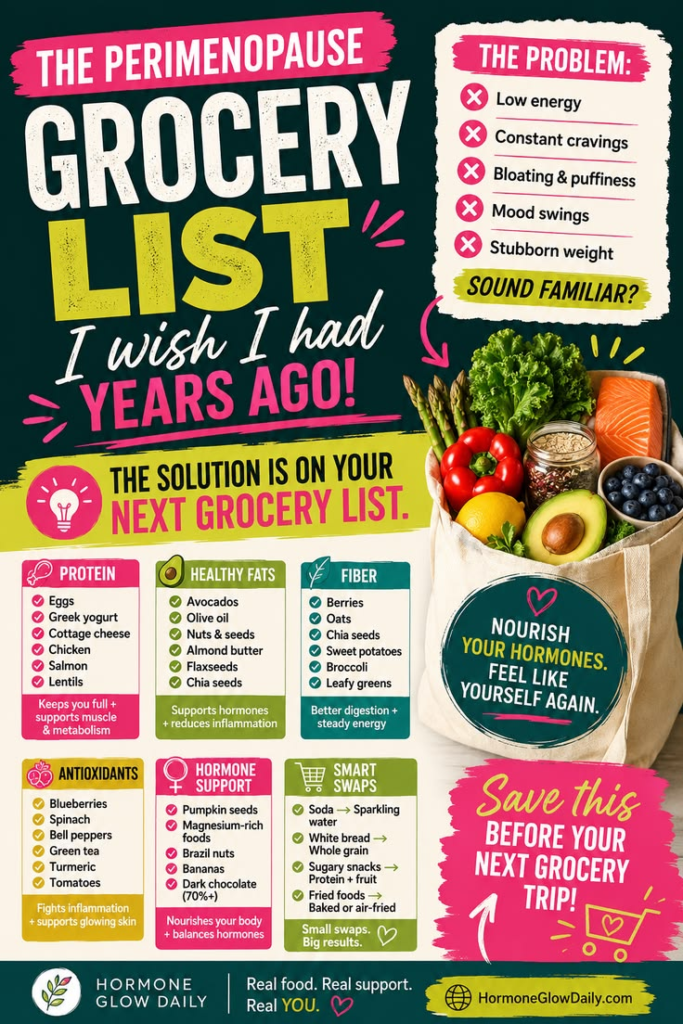
Title: The Perimenopause Grocery List I Wish I Had Years Ago | Hormone Glow Daily
Description: Not sure what to buy during perimenopause? This beginner-friendly grocery list explains the best foods for energy, fewer cravings, better digestion, and lasting fullness.
Have you ever walked through the grocery store with the best intentions…
Only to come home with foods that left you feeling tired, hungry, bloated, or reaching for snacks an hour later?
You’re not alone.
Many women don’t struggle because they lack willpower.
They struggle because they’ve never been taught how to build a grocery cart that actually supports their changing body.
If you’re in your late 30s, 40s, or beyond, your nutritional needs may be different than they were ten years ago.
This guide will help you fill your cart with simple foods that can help you:
- Stay full longer
- Support steady energy
- Reduce cravings
- Build balanced meals
- Make healthy eating easier
You don’t need expensive supplements or complicated diets.
It all starts at the grocery store.
Why Healthy Eating Feels Harder After 35

Many women notice that the habits that worked in their 20s no longer seem to work.
You may experience:
- Feeling hungry shortly after eating
- Afternoon energy crashes
- More cravings for sweets
- Digestive changes
- Weight that seems harder to manage
Hormonal changes during perimenopause can influence appetite, sleep, energy, and how your body uses nutrients. While food isn’t a cure, choosing balanced meals can help support your overall health and make it easier to stay consistent.
Step 1: Always Start With Protein
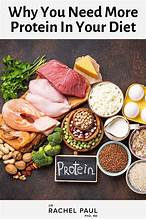
Protein helps you feel full, supports muscle health, and provides steady energy.
Add these to your cart:
- Eggs
- Greek yogurt
- Cottage cheese
- Chicken breast
- Salmon
- Tuna
- Turkey
- Tofu
- Lentils
- Beans
Beginner Tip
Try including a source of protein every time you eat.
For example:
Instead of
Toast
Try
Eggs + whole-grain toast + berries
That one change creates a much more balanced meal.
Step 2: Don’t Be Afraid of Healthy Fats
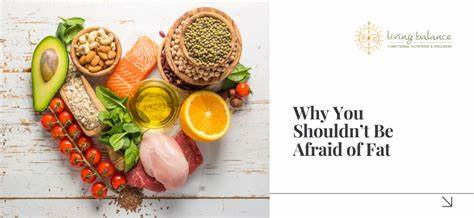
Many people think eating fat causes weight gain.
The truth is your body needs healthy fats for normal body functions and satisfying meals.
Healthy fats also help you feel fuller.
Grocery List
- Avocados
- Olive oil
- Walnuts
- Almonds
- Chia seeds
- Flaxseeds
- Natural peanut butter
Try adding avocado to sandwiches or nuts to yogurt for extra satisfaction.
Step 3: Fill Your Cart With Fiber
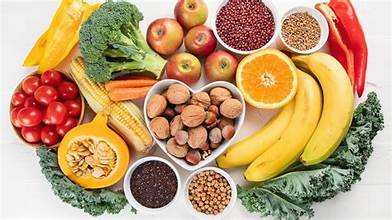
Fiber is one of the most important nutrients for staying full and supporting healthy digestion.
Many adults don’t get enough of it.
Buy:
- Oats
- Berries
- Apples
- Broccoli
- Sweet potatoes
- Spinach
- Leafy greens
- Carrots
- Bell peppers
Aim to include fruits or vegetables at most meals.
Step 4: Add Color to Your Plate
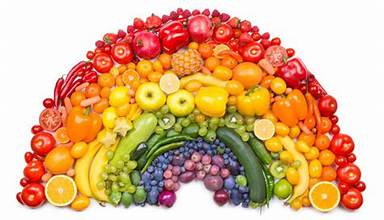
Different colored fruits and vegetables provide different vitamins and antioxidants.
Instead of eating the same vegetables every week…
Try eating a rainbow.
For example:
Red
Tomatoes
Strawberries
Bell peppers
Orange
Carrots
Sweet potatoes
Yellow
Yellow peppers
Pineapple
Green
Spinach
Broccoli
Avocados
Blue & Purple
Blueberries
Blackberries
Purple cabbage
The more colorful your grocery cart looks, the more variety of nutrients you’ll likely get.
Step 5: Make Smart Swaps
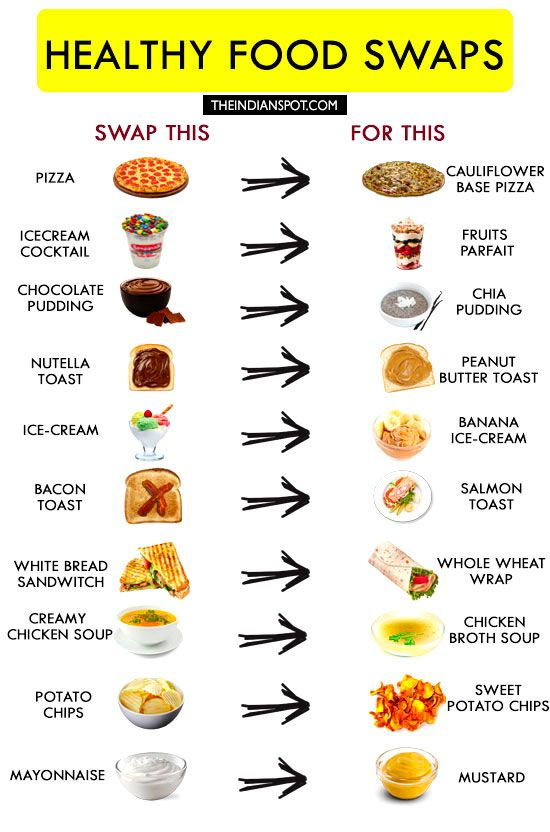
Healthy eating doesn’t have to be all or nothing.
Small swaps can make a big difference.
Instead of sugary cereal…
Try oatmeal with berries.
Instead of chips…
Try roasted chickpeas or air-popped popcorn.
Instead of soda…
Try sparkling water with lemon.
Instead of pastries…
Try Greek yogurt with fruit.
Step 6: Keep Healthy Foods Fresh Longer
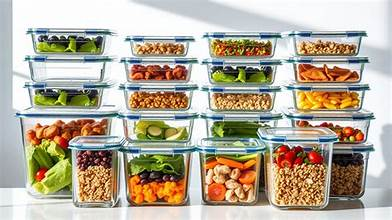
One of the biggest mistakes many people make isn’t buying the wrong groceries.
It’s letting healthy foods spoil before they get eaten.
If your berries become moldy after a few days or your lettuce turns soggy before you use it, it becomes much harder to stick with healthy eating.
Keeping fruits and vegetables organized and fresh makes healthy choices much more convenient.
Simple Tips
- Store produce properly according to its needs.
- Keep healthy snacks where you can see them.
- Wash and prepare produce when appropriate.
- Freeze fruit you won’t use right away for smoothies.
- Plan meals around foods that spoil fastest.
These small habits can reduce food waste and make it easier to reach for nutritious options.
Step 7: Keep It Simple
You don’t need a perfect grocery cart.
You don’t need expensive superfoods.
You don’t need to completely change your diet overnight.
Start by choosing one or two healthier foods each shopping trip.
Small improvements repeated every week often lead to lasting habits.
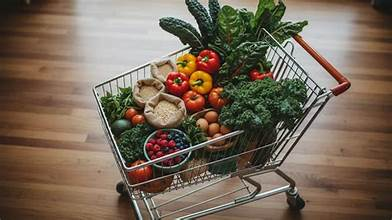
A Simple Grocery Cart Example
Protein
✔ Eggs
✔ Chicken
✔ Greek yogurt
Produce
✔ Spinach
✔ Bell peppers
✔ Broccoli
✔ Blueberries
✔ Apples
Healthy Fats
✔ Avocados
✔ Olive oil
Whole Grains
✔ Oats
✔ Brown rice
✔ Whole-grain bread
Pantry
✔ Chia seeds
✔ Lentils
✔ Black beans
This is a balanced starting point that you can customize based on your preferences and dietary needs.
Final Thoughts

Healthy eating doesn’t have to be confusing.
The best grocery list isn’t the one filled with trendy foods—it’s the one that helps you consistently build balanced meals.
Every trip to the grocery store is an opportunity to support your health one choice at a time.
Remember, progress isn’t about perfection.
It’s about creating habits that fit your life and help you feel your best.
Frequently Asked Questions
What should I eat first when I’m trying to eat healthier?
Start by adding a source of protein and a fruit or vegetable to each meal. You don’t need to change everything at once.
Do I need to buy organic?
Not necessarily. Both fresh and frozen fruits and vegetables can be nutritious choices. Buy what fits your budget and what you’ll actually eat.
How can I stop healthy food from going bad?
Store produce properly, use the most perishable items first, and consider reusable produce storage containers to help organize and keep certain fruits and vegetables fresh longer.
Is frozen fruit and vegetables okay?
Yes. Frozen produce is often picked and frozen at peak ripeness, making it a convenient and nutritious option.
What if I don’t like vegetables?
Start with the ones you do enjoy. You can also add vegetables to soups, smoothies, omelets, pasta sauces, or roasted sheet-pan meals to make them easier to include.
How often should I grocery shop?
Many people find that shopping once a week works well, with a quick midweek trip for fresh produce if needed. Choose a routine that fits your schedule and reduces food waste.
Ready to Shop Smarter?
The next time you head to the grocery store, don’t focus on buying “perfect” foods. Focus on filling your cart with simple, nourishing ingredients that help you create balanced meals, reduce food waste, and make healthy eating feel more achievable. One grocery trip can be the start of habits that support you for years to come.
Disclaimer
Disclaimer: This article is for educational purposes only and is not intended to provide medical advice, diagnosis, or treatment. Nutritional needs vary from person to person, especially during perimenopause. Always consult your healthcare provider or a registered dietitian before making significant changes to your diet, particularly if you have medical conditions, food allergies, or take medications.