Why You Feel Puffy, Bloated & Swollen — And Simple Ways to Support Your Body Naturally
Intro: Why Water Retention Happens
If you feel puffy in your belly, swollen in your hands, tight in your rings, bloated after meals, or notice your face looks fuller, water retention may be part of it.
Water retention happens when your body holds onto extra fluid. This can leave you feeling uncomfortable, heavy, bloated, or swollen.
Common causes may include:
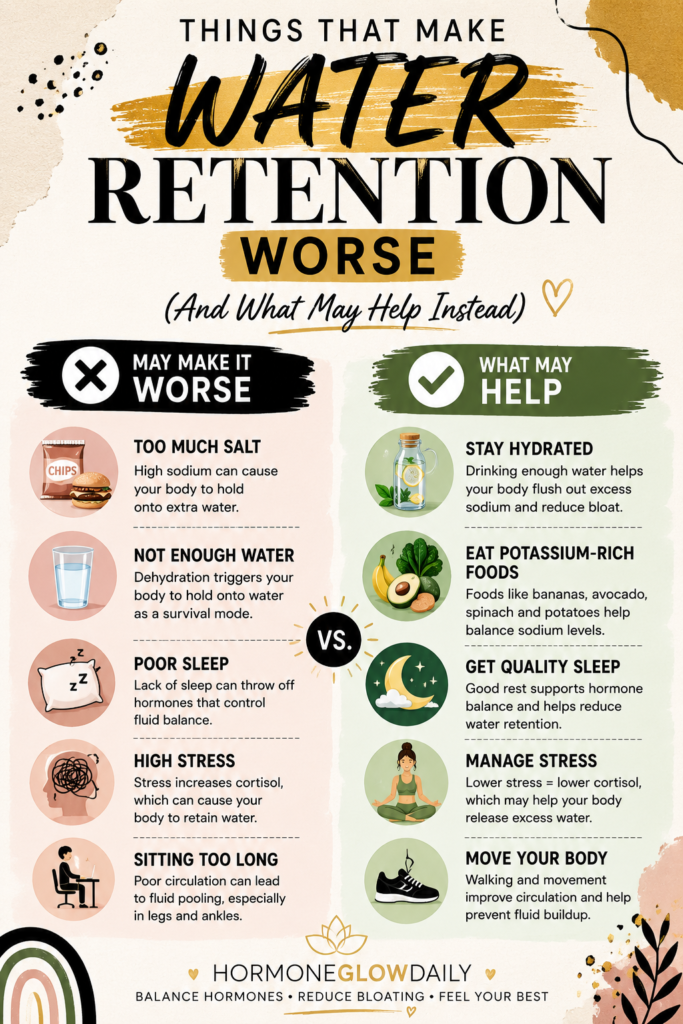
- High sodium foods
- Low water intake
- Stress
- Poor sleep
- Sitting too long
- Hormone shifts
- Poor circulation
The good news? Small daily habits may help support fluid balance and reduce puffiness.
PROBLEM 1: Too Much Salt / Processed Foods
Why it may make it worse
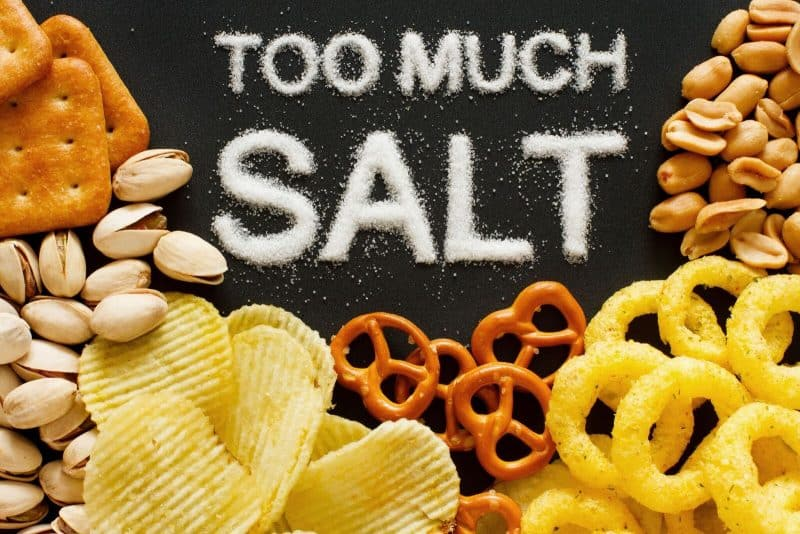
Highly processed foods often contain more sodium, which can lead to temporary water retention for some people.
Examples:
- Chips
- Fast food
- Frozen meals
- Processed deli meats
- Salty snacks
- Instant noodles
You may notice:
- Puffy fingers
- Swollen belly
- Feeling heavy
- Tight rings
What may help instead
Choose more balanced, whole-food meals when possible.
Better foods:
- Chicken
- Rice
- Potatoes
- Salmon
- Oats
- Fresh fruit
- Vegetables
PROBLEM 2: Not Drinking Enough Water
Why it may make it worse
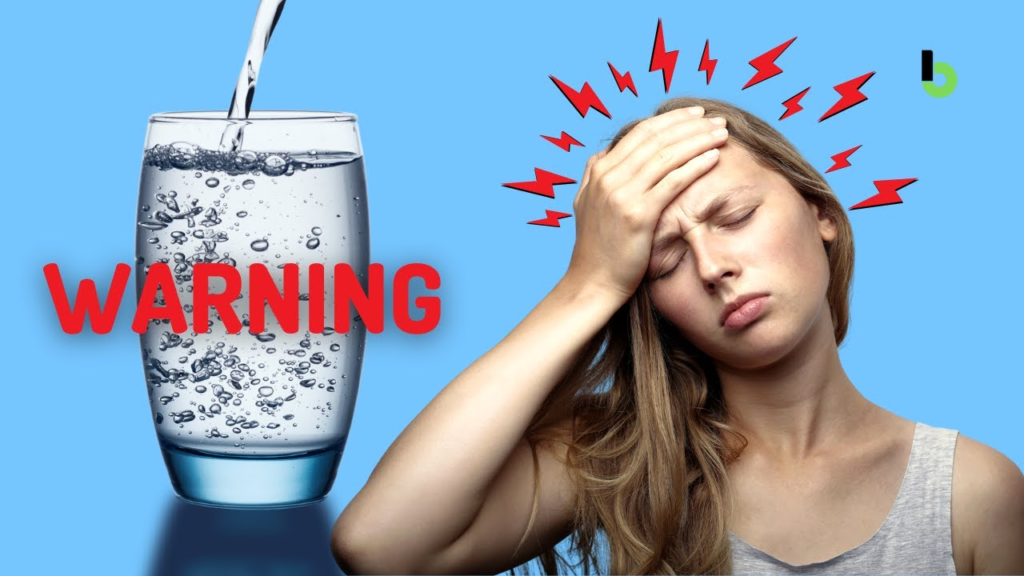
When you’re dehydrated, your body may hold onto water.
Signs:
- Dry mouth
- Dark urine
- Fatigue
- Puffiness
- Headaches
What may help instead
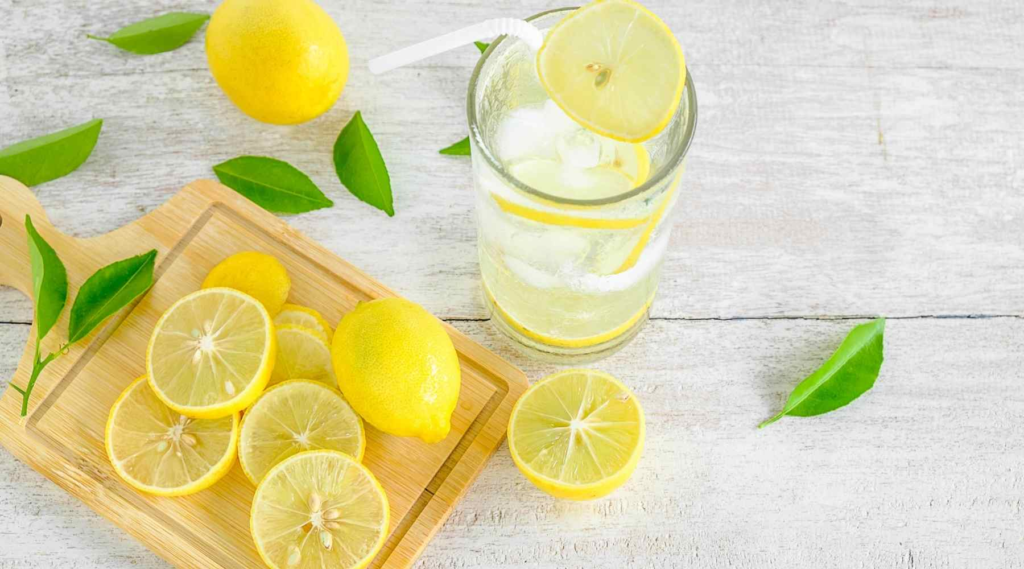
Try:
- Water throughout the day
- Electrolytes if helpful
- Fruit with water content
- Herbal tea
Water-rich foods:
- Cucumber
- Watermelon
- Strawberries
- Lettuce
PROBLEM 3: Poor Sleep

Why it may make it worse
Poor sleep may affect stress hormones and fluid balance.
You may notice:
- Puffy eyes
- Morning bloating
- Fatigue
- Heavier feeling
What may help instead
Support sleep habits:
- Earlier dinner
- Less caffeine late
- Consistent sleep time
- Dark cool room
PROBLEM 4: High Stress
Why it may make it worse
High stress may affect cortisol and daily habits, which can sometimes go along with feeling more bloated or puffy.
Signs:
- Belly puffiness
- Feeling inflamed
- Poor sleep
- Cravings
- Fatigue
What may help instead
Calming habits:
- Walking
- Deep breathing
- Stretching
- Gentle exercise
- Quiet time
- Better sleep
PROBLEM 5: Sitting Too Long
Why it may make it worse

Low movement can affect circulation and may contribute to swelling in some people.
Common:
- Ankles swelling
- Leg heaviness
- Stiffness
- Puffy feet
What may help instead
Simple movement:
- Walk after meals
- Stretch
- Move every hour
- Light activity
PROBLEM 6: Hormone Shifts
Why it may make it worse
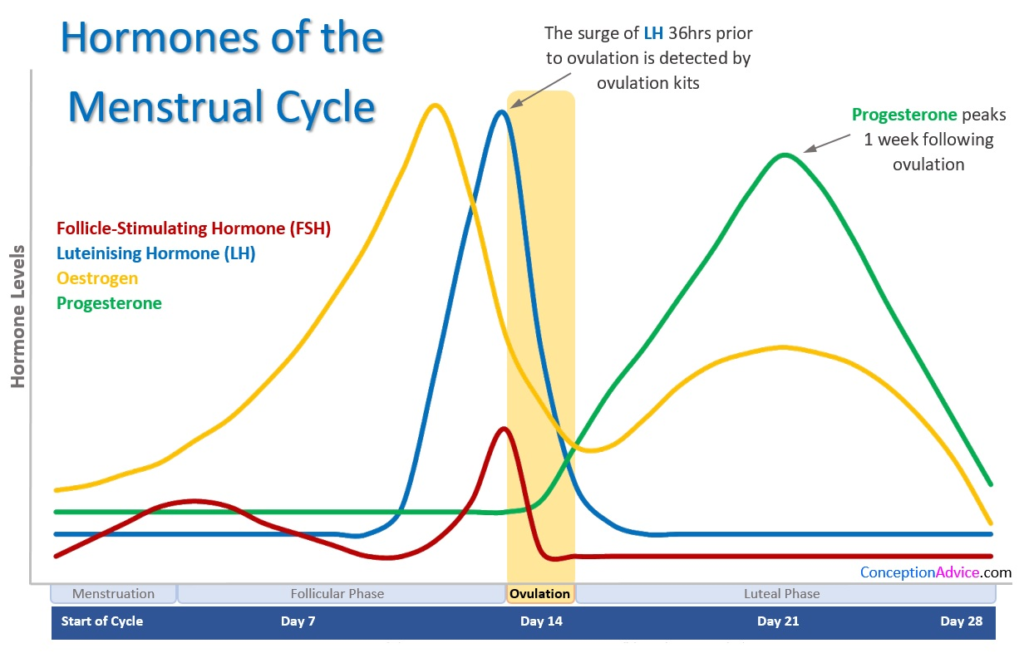
Hormone changes can affect fluid retention.
Examples:
- Monthly cycle changes
- Stress-related hormone shifts
- Sleep disruption
You may notice:
- Belly bloating
- Breast fullness
- Puffiness
- Feeling swollen
What may help instead
Supportive basics:
- Hydration
- Sleep
- Balanced meals
- Lower stress
- Movement
Best Foods That May Help With Water Retention
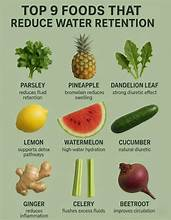
Potassium-rich foods
Can help support fluid balance:
- Bananas
- Potatoes
- Sweet potatoes
- Spinach
- Avocado
Hydrating foods
- Cucumber
- Watermelon
- Strawberries
- Celery
- Lettuce
Easy balanced meals
- Chicken + rice + zucchini
- Salmon + potato + spinach
- Turkey + carrots + potatoes
Simple Daily Water Retention Formula
Keep it easy:
💧 Hydrate
🥗 Whole foods
🛌 Sleep
🚶 Move daily
😌 Lower stress
⚖️ Balanced meals
When Puffiness May Need Medical Attention
Talk with a doctor if swelling is:
- Sudden
- Painful
- One-sided
- Severe
- With shortness of breath
- Rapidly worsening
Final Takeaway
Water retention can feel frustrating, but small daily changes may help support:
- Less puffiness
- Better digestion
- Reduced bloating
- Better circulation
- Balanced habits
- Feeling lighter
Disclaimer: The information on Hormone Glow Daily is provided for educational and informational purposes only and is not intended as medical advice, diagnosis, or treatment. Always consult a qualified healthcare professional before making changes to your diet, supplements, medications, or wellness routine.