Description
Wake up with stiff joints or numb hands? Learn 9 possible causes, simple habits that may help, and when it’s time to talk to your healthcare provider.
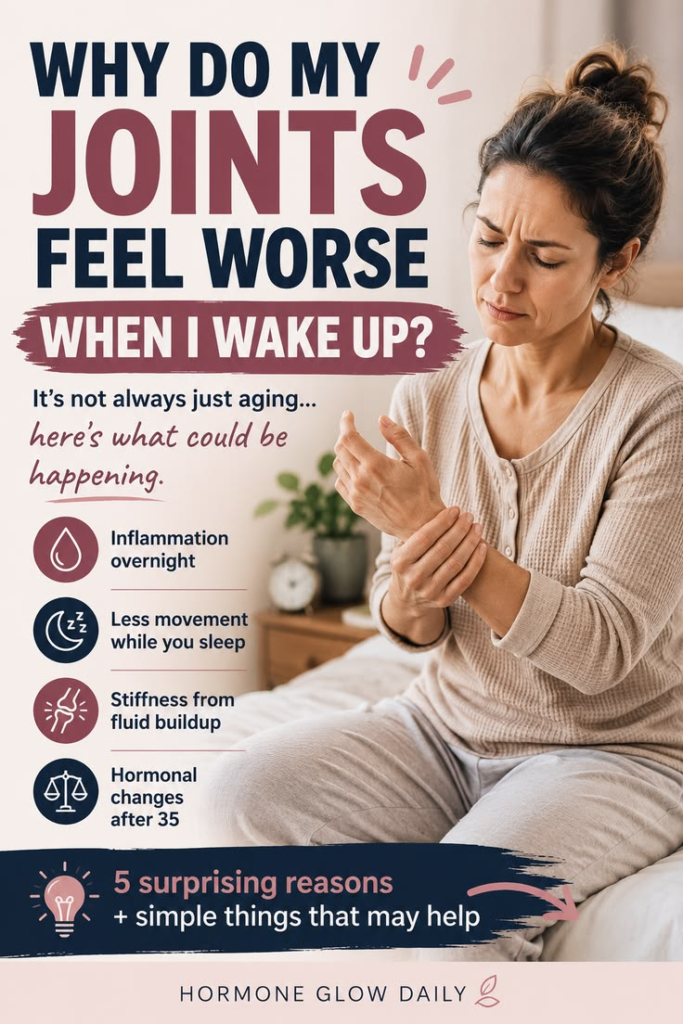
Waking Up With Stiff Joints or Numb Hands? Here’s What Your Body Could Be Telling You
Have you ever opened your eyes only to realize your fingers won’t move normally?
Maybe your hands are numb.
Maybe your wrists tingle.
Or maybe your joints feel so stiff it takes several minutes before everything starts working again.
Many women notice these changes after age 35 and immediately wonder if it’s simply part of getting older.
Not always.
Morning stiffness and numbness can happen for several different reasons—some temporary, some related to lifestyle, and others that deserve medical attention.
Let’s look at some of the most common possibilities.
1. Sleeping Position
Sleeping with your wrist bent or tucked under your body can temporarily compress nerves.
This may lead to:
- Tingling fingers
- Numb hands
- Weak grip
- Pins and needles
Usually the feeling improves after moving your hand.
2. Less Movement Overnight

While you’re sleeping, your joints aren’t moving.
That means:
- Joint fluid thickens
- Muscles tighten
- Connective tissues stiffen
This is why many people notice stiffness that improves after walking around.
3. Hormonal Changes
As estrogen levels change during perimenopause and menopause, many women notice:
- Achy joints
- Morning stiffness
- Hand discomfort
- Swollen fingers
Hormones don’t directly cause every case, but changing estrogen levels may influence inflammation, joint comfort, and connective tissues.
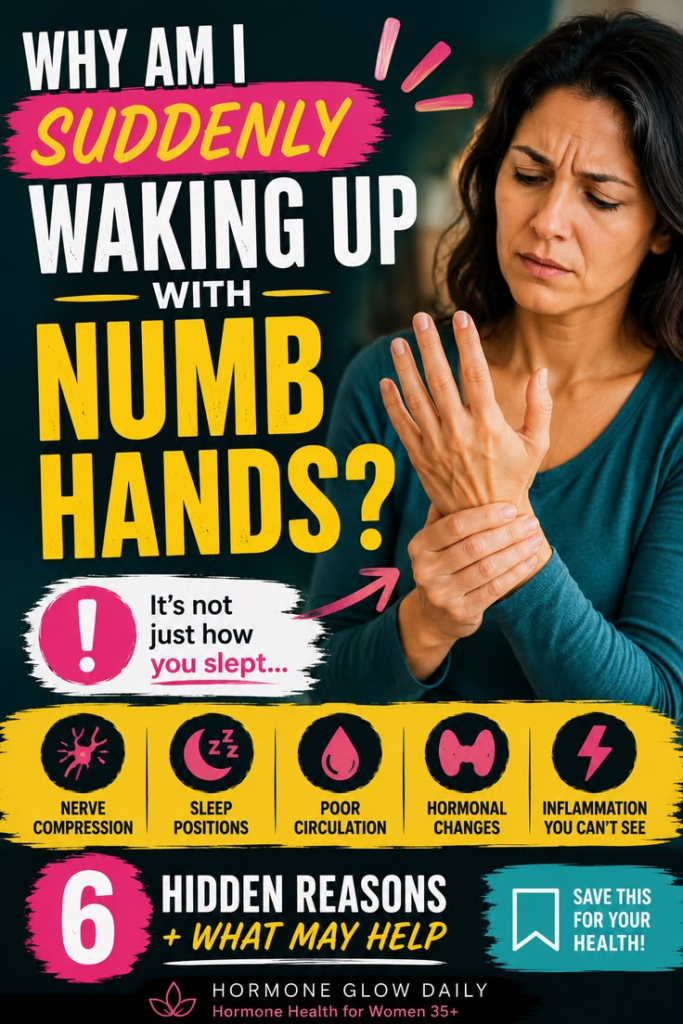
4. Nerve Compression

One of the most common causes of waking up with numb hands is nerve compression.
This may happen from:
- Sleeping position
- Carpal tunnel syndrome
- Neck problems
- Repetitive hand movements
Symptoms often include:
- Thumb numbness
- Index finger tingling
- Burning sensations
- Hand weakness
5. Poor Circulation
Reduced circulation during sleep may temporarily cause:
- Cold hands
- Tingling
- Mild numbness
- Color changes
Changing sleeping positions often helps.
6. Inflammation
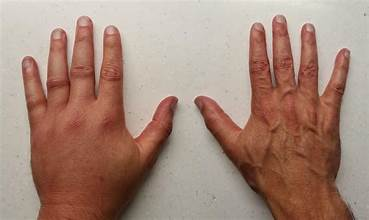
Inflammation from many different conditions may contribute to:
- Morning stiffness
- Swollen fingers
- Achy joints
- Difficulty making a fist
Inflammation often feels worse after long periods without movement.
7. Vitamin Deficiencies
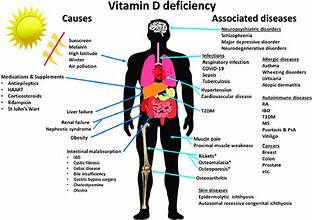
Low levels of certain nutrients—including vitamin B12 in some cases—can contribute to nerve-related symptoms such as numbness or tingling. Only a healthcare provider can determine whether a deficiency is present.
8. Arthritis
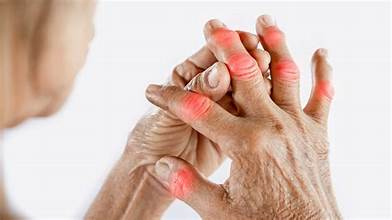
Morning stiffness lasting longer than about an hour or that keeps getting worse may be associated with certain forms of arthritis.
If stiffness becomes persistent or significantly affects your daily life, it’s worth discussing with your healthcare provider.
9. Stress

Stress doesn’t only affect your mind.
It may also contribute to:
- Muscle tension
- Poor sleep
- Clenched hands
- Increased pain sensitivity
Many women notice their symptoms worsen during stressful periods.
Simple Things That May Help
- Stretch your hands and fingers before getting out of bed.
- Change sleeping positions if you often wake with numbness.
- Stay hydrated.
- Eat a balanced diet with enough protein and key nutrients.
- Take regular movement breaks during the day.
- Manage stress with relaxation techniques that work for you.
- If you work at a computer, consider reviewing your workstation ergonomics.
When Should You See a Doctor?

Seek medical advice if you notice:
- Numbness lasting several hours
- Symptoms affecting only one side along with weakness
- Severe pain
- Loss of grip strength
- Symptoms getting worse over time
- Frequent nighttime numbness that interrupts sleep
- Redness, warmth, or significant swelling in a joint
Prompt medical evaluation is especially important if numbness occurs suddenly or is accompanied by facial drooping, difficulty speaking, or arm weakness.
Frequently Asked Questions

Why do my hands go numb while I sleep?
A common reason is temporary nerve compression from sleeping position, but other causes such as carpal tunnel syndrome, circulation issues, or underlying health conditions are also possible.
Is morning joint stiffness normal after 35?
Some women notice increased stiffness with age and hormonal changes, but persistent or worsening stiffness should be evaluated by a healthcare provider.
Can perimenopause cause achy joints?
Hormonal changes during perimenopause may contribute to joint discomfort for some women, although they are not the only possible cause.
Why do my fingers feel stiff when I wake up?
Reduced movement overnight, inflammation, swelling, arthritis, or other conditions may all contribute to morning finger stiffness.
Final Thoughts
Waking up with stiff joints or numb hands can be unsettling, but it’s often caused by common factors such as sleeping position, temporary nerve compression, reduced overnight movement, or hormonal changes. Paying attention to when your symptoms occur, how long they last, and whether they improve with movement can help you and your healthcare provider determine the most likely cause.
If your symptoms are persistent, worsening, or accompanied by weakness or other concerning signs, it’s important to seek medical advice rather than assuming they’re simply part of aging. This balanced, comprehensive article also gives you one strong resource that both of your Pinterest pins can naturally point to once your website is available again.
💚 Get Your FREE 7-Day Hormone Reset Guide
Looking for simple, realistic ways to support your hormones naturally?
Download my FREE 7-Day Hormone Reset Guide for practical daily habits, nutrition tips, and easy lifestyle changes designed to help women over 35 feel more energized and balanced.
👉 https://hormone-glow-daily.kit.com/33263119f4
Affiliate Disclosure
Some articles on Hormone Glow Daily contain affiliate links. If you click a link and make a qualifying purchase, I may earn a small commission at no additional cost to you. I only recommend products I genuinely believe may provide value to my readers. Your support helps keep Hormone Glow Daily running and allows me to continue creating free educational content.
Medical Disclaimer
This article is for educational and informational purposes only and should not be considered medical advice, diagnosis, or treatment. Although hormonal changes during perimenopause may contribute to scalp tenderness or sensitivity in some women, many other conditions—including skin disorders, infections, migraines, nutritional deficiencies, medication side effects, and neurological conditions—can cause similar symptoms. Always consult your physician or another qualified healthcare professional if you have persistent, worsening, or concerning symptoms, or before making changes to your healthcare routine. Never ignore or delay seeking professional medical advice because of something you have read on this website.