Description: Wondering why you’re suddenly breaking out in your late 30s? Learn the most common hormonal causes of adult acne, what may help naturally, and when it’s time to see a healthcare provider.
Why Is My Skin Suddenly Breaking Out?
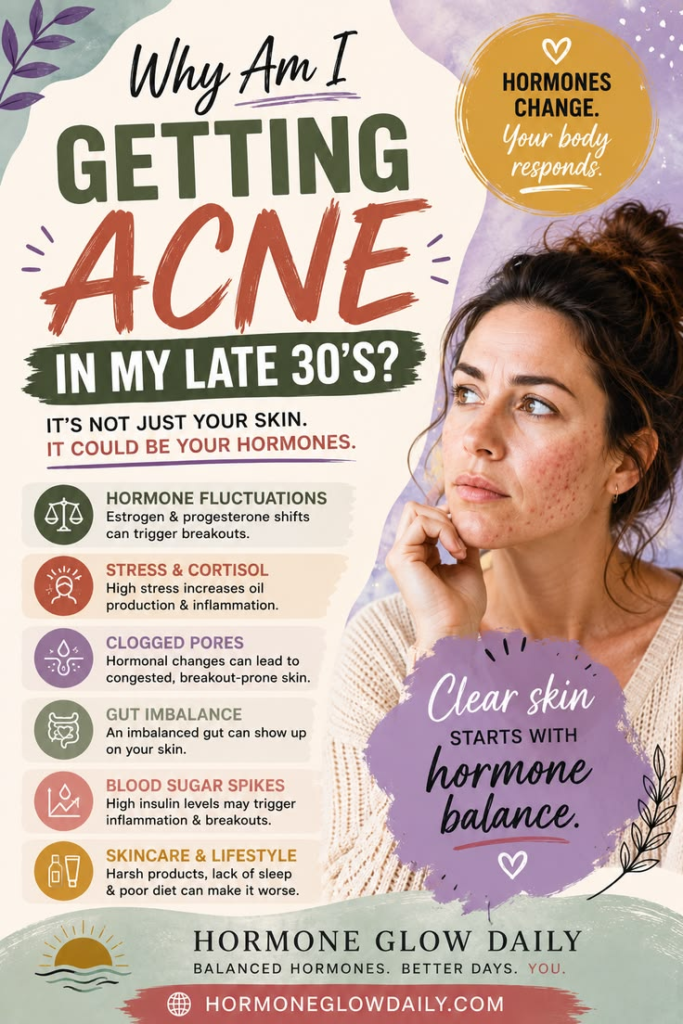
If you’ve reached your late 30s or early 40s and suddenly find yourself dealing with acne again, you’re not alone.
Many women are surprised when breakouts return years after their teenage years. While it’s easy to blame your skincare products, the real cause may be happening beneath the surface.
During perimenopause, hormone levels naturally begin to fluctuate. These changes can affect your skin, oil production, inflammation, and even how your body heals after a breakout.
The good news is that understanding what’s happening is the first step toward finding solutions.
Can Hormones Really Cause Acne?
Yes.
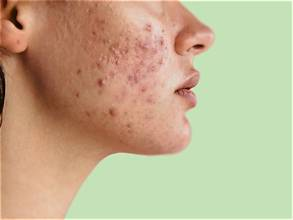
Hormones influence the amount of oil (sebum) your skin produces. When hormones become imbalanced, your oil glands can become more active, creating an environment where clogged pores and acne are more likely to develop.
Even women who never struggled with acne as teenagers can begin experiencing breakouts during perimenopause.
1. Estrogen and Progesterone Fluctuations
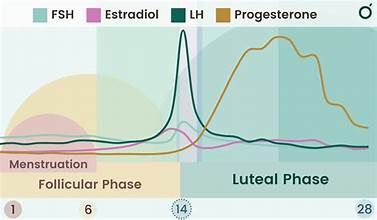
Estrogen helps support skin hydration and elasticity. As estrogen levels fluctuate, your skin may become more sensitive and less able to regulate oil production.
Progesterone changes may also contribute to increased oil production in some women.
These hormonal shifts often occur years before menopause begins.
Common signs include:
- Acne around the jawline
- Chin breakouts
- Neck acne
- Oily skin
- Tender skin before your period
2. Increased Stress and Cortisol
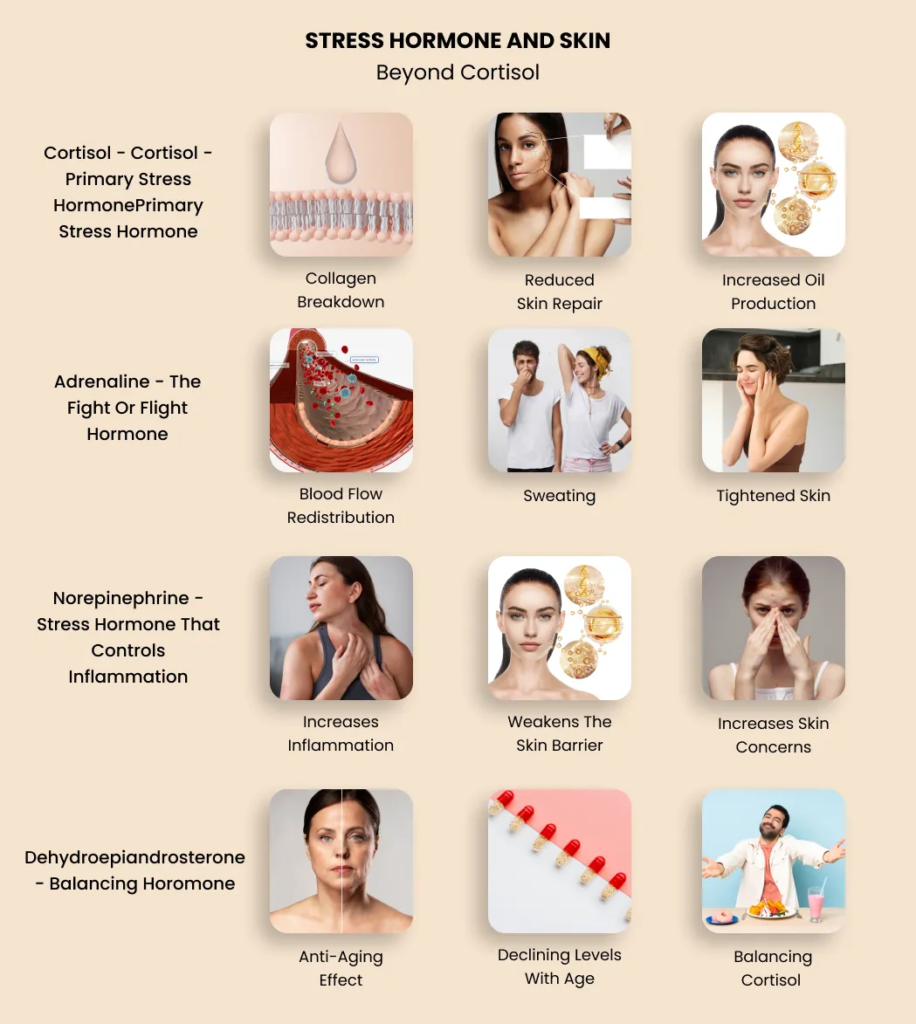
Stress affects far more than your mood.
When you’re under chronic stress, your body produces more cortisol.
Higher cortisol levels may:
- Increase inflammation
- Increase oil production
- Slow skin healing
- Make existing acne worse
Managing stress won’t eliminate hormonal acne, but it may reduce flare-ups for some women.
3. Clogged Pores
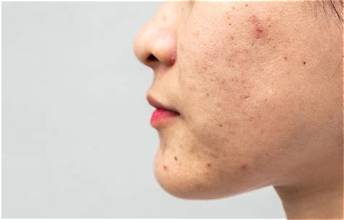
Hormonal changes can increase oil production.
When excess oil mixes with:
- Dead skin cells
- Makeup
- Sweat
- Dirt
- Bacteria
pores may become clogged, leading to blackheads, whiteheads, and inflamed pimples.
Gentle cleansing and avoiding overly harsh scrubs can help reduce irritation.
4. Gut Health May Play a Role
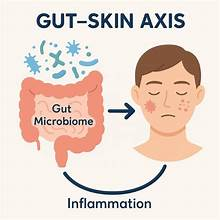
Research continues to explore the connection between gut health and skin health.
Some studies suggest that a balanced diet rich in fiber, fruits, vegetables, and fermented foods may support overall skin health by helping regulate inflammation and supporting the gut microbiome.
More research is still needed to fully understand this relationship.
5. Blood Sugar Spikes

Frequently eating foods high in refined carbohydrates or added sugars may contribute to increased insulin levels.
Higher insulin may influence hormones involved in oil production, potentially worsening acne in some individuals.
Choosing meals that include:
- Protein
- Healthy fats
- Fiber
may help support steadier blood sugar levels throughout the day.
6. Your Skincare Routine Might Need to Change
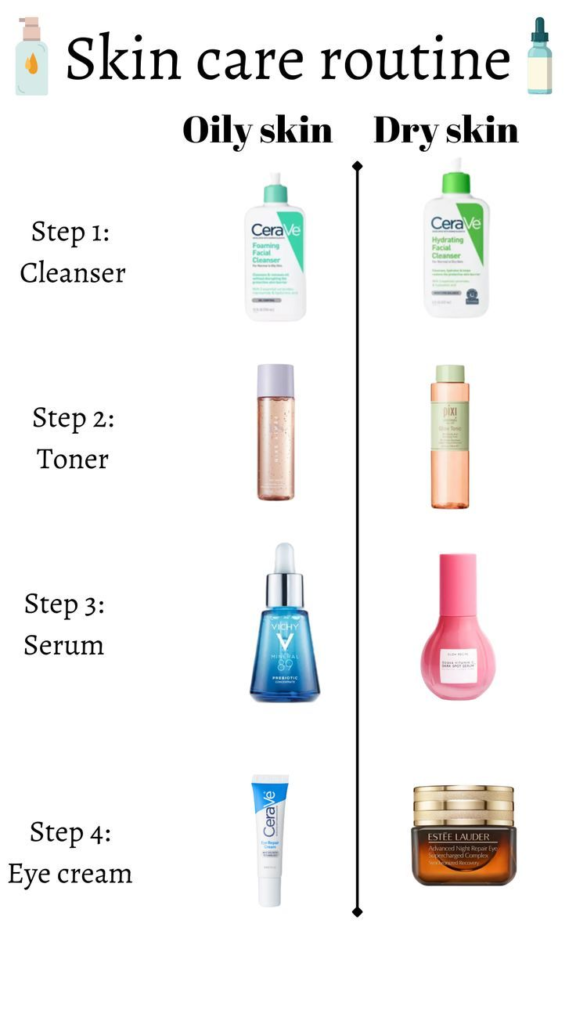
As hormones change, so does your skin.
Products that worked in your 20s may no longer be the best choice.
Consider:
- Gentle cleansers
- Non-comedogenic moisturizers
- Daily sunscreen
- Avoiding over-exfoliation
- Washing makeup off before bed
Over-cleansing can actually make irritation worse.
Lifestyle Habits That May Support Healthier Skin
While there isn’t one solution that works for everyone, these habits may help support overall skin health:
- Stay hydrated.
- Aim for 7–9 hours of sleep.
- Eat a balanced diet rich in colorful fruits and vegetables.
- Include lean protein with meals.
- Manage stress through activities you enjoy.
- Exercise regularly if approved by your healthcare provider.
- Follow a consistent skincare routine.
When Should You See a Doctor?

You should consider speaking with a healthcare provider if:
- Acne suddenly becomes severe.
- Breakouts are painful or cystic.
- Over-the-counter products aren’t helping.
- Acne leaves scars.
- Your acne is accompanied by irregular periods, excessive facial hair, or rapid weight changes.
- You suspect an underlying hormonal condition.
A healthcare provider or dermatologist can help determine the underlying cause and recommend appropriate treatment.
Frequently Asked Questions

Why am I suddenly getting acne in my late 30s?
Hormonal fluctuations during perimenopause are one possible cause. Stress, genetics, certain medications, and skincare habits can also contribute.
Is hormonal acne different from regular acne?
Hormonal acne often appears along the jawline, chin, and lower cheeks and may flare around your menstrual cycle.
Can menopause cause acne?
Some women experience acne during both perimenopause and menopause due to hormonal changes, though experiences vary.
Can stress make hormonal acne worse?
Chronic stress increases cortisol, which may contribute to increased oil production and inflammation in some people.
Does sugar cause acne?
Sugar doesn’t directly cause acne, but diets high in refined carbohydrates and added sugars may worsen acne in some individuals.
Can gut health affect acne?
Researchers continue to study the gut-skin connection. A healthy, balanced diet supports overall health and may also benefit skin health.
Will hormonal acne go away?
For many women, acne improves as hormone levels stabilize. Others may benefit from working with a healthcare provider to identify appropriate treatments.
What ingredients should I look for?
Many dermatologists recommend ingredients such as:
- Salicylic acid
- Benzoyl peroxide
- Niacinamide
- Azelaic acid
- Retinoids (used as directed and under medical guidance when appropriate)
The best option depends on your skin type and the cause of your acne.
Products That May Support Your Skincare Routine
If you’re looking to build a simple skincare routine, consider products such as:
- Gentle facial cleanser
- Oil-free moisturizer
- Mineral sunscreen (SPF 30+)
- Salicylic acid cleanser (if appropriate for your skin)
- Hydrocolloid acne patches
(Add your Amazon affiliate links here where appropriate.)
Final Thoughts
If you’re wondering why acne has suddenly returned in your late 30s, hormones may be part of the answer. While breakouts can be frustrating, understanding the possible causes can help you make informed decisions about your skincare, lifestyle, and overall health.
Remember that everyone’s skin is different. If your symptoms persist or worsen, don’t hesitate to seek advice from a qualified healthcare professional.
Affiliate Disclosure
Disclosure: This article may contain affiliate links. If you purchase a product through one of these links, Hormone Glow Daily may earn a small commission at no additional cost to you. We only recommend products we believe may be helpful to our readers.
Medical Disclaimer
The information in this article is for educational purposes only and is not intended to diagnose, treat, cure, or prevent any disease. Always consult your healthcare provider or dermatologist before starting any new supplement, medication, or skincare routine, especially if your acne is severe, painful, or persistent.