Struggling to sleep during perimenopause or menopause? Learn 9 common reasons hormonal changes affect sleep, what may help naturally, and download a free 7-Day Sleep Reset Journal https://hormone-glow-daily.kit.com/2b5b53f4c8
Why Is It Suddenly So Hard to Sleep?
If you’ve found yourself lying awake at 2 or 3 a.m., staring at the ceiling and wondering what changed, you’re far from alone.
Many women begin experiencing sleep problems during their 40s—even if they’ve slept well their entire lives.
You may find yourself:
- Falling asleep but waking up several times during the night.
- Waking up around 3 a.m. and struggling to get back to sleep.
- Tossing and turning for hours.
- Feeling exhausted despite spending enough time in bed.
- Waking up feeling like you never slept at all.
While aging plays a role, hormonal changes during perimenopause and menopause are one of the biggest reasons sleep becomes more difficult.
Let’s explore why this happens and what may help.
1. Fluctuating Estrogen Levels
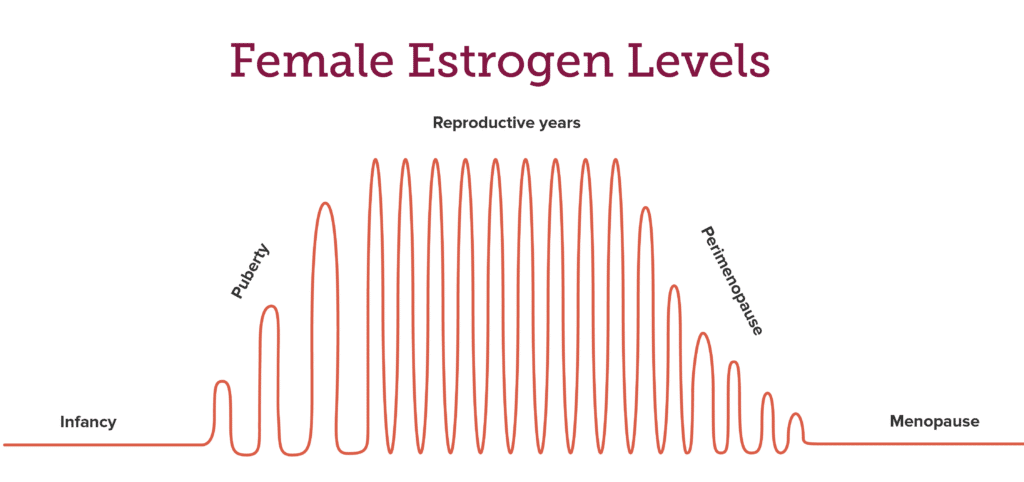
During perimenopause, estrogen levels don’t simply decline—they fluctuate.
Estrogen supports:
- Sleep quality
- Body temperature regulation
- Mood
- Serotonin production
As estrogen changes, many women begin waking more often during the night.
2. Progesterone Declines
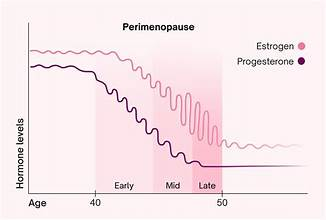
Progesterone is often called the body’s natural calming hormone.
It helps promote relaxation and may support deeper sleep.
As progesterone declines during perimenopause, some women notice:
- Difficulty falling asleep
- Lighter sleep
- More nighttime awakenings
- Increased anxiety before bed
3. Night Sweats and Hot Flashes
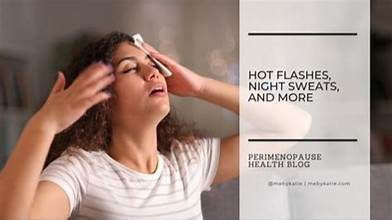
One of the biggest sleep disruptors during menopause is waking up overheated.
Many women suddenly:
- Throw off blankets
- Wake up drenched in sweat
- Need to cool down before falling asleep again
Even if you don’t remember a hot flash, repeated nighttime awakenings can significantly reduce sleep quality.
4. Increased Stress and Anxiety
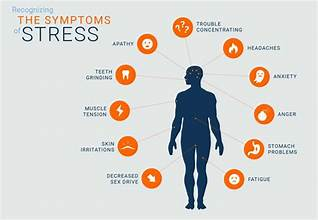
Hormonal fluctuations may contribute to mood changes, while everyday responsibilities—work, caregiving, finances, or family—can make it even harder to unwind.
Stress hormones like cortisol can stay elevated into the evening, making it difficult to relax and fall asleep.
5. Waking Up at 3 A.M.
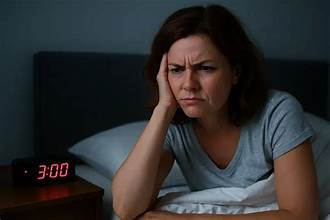
This is one of the most common complaints during perimenopause.
Possible reasons include:
- Hormonal fluctuations
- Stress
- Night sweats
- Blood sugar changes
- Sleep apnea
- An overactive mind
Keeping a sleep journal can help you identify patterns over time.
6. Frequent Trips to the Bathroom

As we age, nighttime urination becomes more common.
Contributors may include:
- Drinking fluids too close to bedtime
- Hormonal changes
- Overactive bladder
- Certain medications
- Medical conditions such as diabetes
If this happens regularly, discuss it with your healthcare provider.
7. Poor Sleep Habits

Sometimes hormones aren’t the only reason.
Sleep may also be affected by:
- Too much screen time
- Irregular bedtimes
- Caffeine late in the day
- Alcohol before bed
- Sleeping with the TV on
Small habit changes can make a meaningful difference.
8. Sleep Apnea
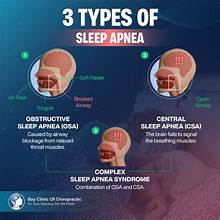
Sleep apnea becomes more common after menopause.
Warning signs include:
- Loud snoring
- Gasping during sleep
- Morning headaches
- Extreme daytime fatigue
Many women don’t realize they have sleep apnea until someone else notices the symptoms.
9. Certain Medications and Health Conditions

Sleep problems may also be related to:
- Thyroid disorders
- Depression
- Anxiety
- Chronic pain
- Acid reflux
- Blood pressure medications
- Some antidepressants
If your sleep changes suddenly or becomes severe, talk with your healthcare provider.
What May Help You Sleep Better
Although there’s no overnight fix, many women find these habits helpful:
✔ Go to bed and wake up at the same time every day.
✔ Keep your bedroom cool, dark, and quiet.
✔ Limit caffeine after lunch.
✔ Reduce screen time before bed.
✔ Eat a balanced evening meal.
✔ Stay hydrated during the day.
✔ Exercise regularly, but avoid intense workouts close to bedtime.
✔ Practice relaxation techniques before bed.
✔ Track your symptoms in a sleep journal.
Free Resource
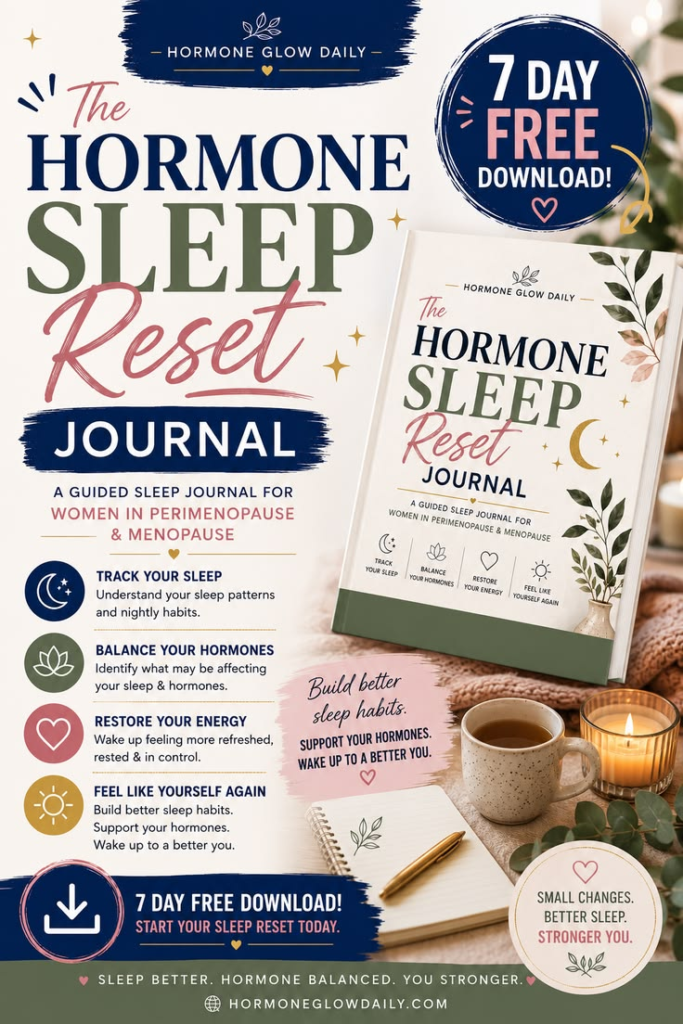
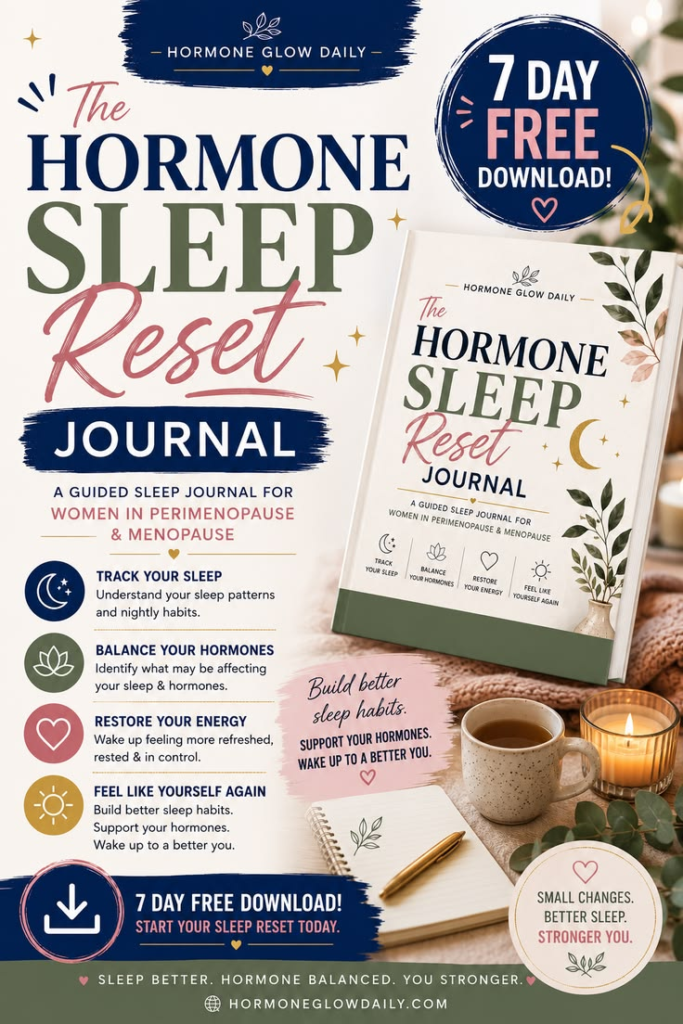
If you’re not sure what’s affecting your sleep, download my FREE 7-Day Hormone Sleep Reset Journal.
Inside you’ll be able to:
- Track bedtime and wake time.
- Record night sweats and hot flashes.
- Monitor energy levels.
- Identify sleep patterns.
- Build healthier bedtime habits.
Helpful Products That May Support Better Sleep
These products aren’t cures for insomnia, but many women find them helpful as part of a healthy bedtime routine.
Silk Sleep Mask
Blocks light and may help create a darker sleep environment.
White Noise Machine
Can help reduce background noise and create a more relaxing sleep environment.
Cooling Pillow
Some women experiencing hot flashes prefer cooling bedding or pillows for added comfort.
Magnesium Glycinate (if recommended by your healthcare provider)
Magnesium supplements may be appropriate for some people, but they’re not right for everyone. Speak with your healthcare provider before starting a supplement.
Bedside Journal
Keeping a journal nearby can help you record symptoms, bedtime habits, and questions for your healthcare provider.
When Should You See Your Healthcare Provider?

Schedule an appointment if:
- You’ve had insomnia for several weeks.
- Sleep problems interfere with daily life.
- You frequently wake gasping for air.
- You experience loud snoring and daytime exhaustion.
- Sleep problems are accompanied by depression or severe anxiety.
- You have persistent night sweats, chest pain, fainting, or other concerning symptoms.
Frequently Asked Questions

Is insomnia common during perimenopause?
Yes. Many women notice sleep changes during perimenopause due to fluctuating hormone levels, hot flashes, night sweats, mood changes, and other factors.
Why do I keep waking up at 3 a.m.?
There isn’t one single cause. Hormonal changes, stress, hot flashes, blood sugar fluctuations, medications, or sleep disorders can all contribute to waking during the night.
Does menopause permanently affect sleep?
Not necessarily. Some women notice improvements after menopause, while others continue to experience sleep difficulties. Lifestyle changes and medical treatment, when appropriate, can often help.
Can low progesterone cause insomnia?
Declining progesterone levels during perimenopause may contribute to difficulty falling asleep or staying asleep for some women, but sleep problems usually have multiple contributing factors.
Do hot flashes always wake you up?
Not always. Some women remember every hot flash, while others only notice that they’re waking frequently without realizing a hot flash occurred.
Can anxiety make menopause insomnia worse?
Yes. Anxiety and stress can make it harder to fall asleep and stay asleep. Hormonal changes may also affect mood during perimenopause.
How many hours of sleep do women need?
Most adults benefit from 7 to 9 hours of sleep per night, although individual needs vary.
Can a sleep journal really help?
A sleep journal won’t cure insomnia, but it can help you identify patterns, track symptoms, and provide useful information to discuss with your healthcare provider.
Final Thoughts

If you’ve been wondering why sleep suddenly feels so much harder than it used to, you’re not imagining it. Hormonal changes during perimenopause and menopause can affect sleep in many ways, from hot flashes and night sweats to anxiety and frequent awakenings.
The good news is that small, consistent changes can make a difference. Tracking your sleep, creating a calming bedtime routine, and speaking with your healthcare provider about ongoing symptoms are important first steps.
If you’re ready to better understand your sleep patterns, download the FREE 7-Day Hormone Sleep Reset Journal https://hormone-glow-daily.kit.com/2b5b53f4c8and start building habits that support more restful nights and more energized mornings.
Affiliate Disclosure
Some articles on Hormone Glow Daily contain affiliate links. If you click a link and make a qualifying purchase, I may earn a small commission at no additional cost to you. I only recommend products I genuinely believe may provide value to my readers. Thank you for supporting Hormone Glow Daily!
Medical Disclaimer
This article is for educational purposes only and is not medical advice. Always consult your healthcare provider regarding persistent sleep problems or any medical condition. Never ignore professional medical advice because of something you read online.