Why Do I Keep Losing My Train of Thought? You’re Not Alone.
Have you ever walked into a room and completely forgotten why?
Started telling a story…then suddenly couldn’t remember what you were about to say?
Forgot someone’s name—even though you’ve known them for years?
If so, you’re far from alone.
Many women over 35 begin noticing moments like these and wonder if they’re simply “getting older.” While occasional forgetfulness is common, frequent brain fog or trouble concentrating may have several possible causes. Understanding those possibilities can help you decide what lifestyle changes might be worth trying and when it’s a good idea to talk to your healthcare provider.
What Is Brain Fog?

Brain fog isn’t a medical diagnosis. It’s a term people often use to describe symptoms such as:
- Forgetting words mid-conversation
- Losing your train of thought
- Trouble focusing
- Mental fatigue
- Feeling mentally “slow”
- Difficulty remembering everyday tasks
- Trouble concentrating
Many different factors can contribute to these experiences.
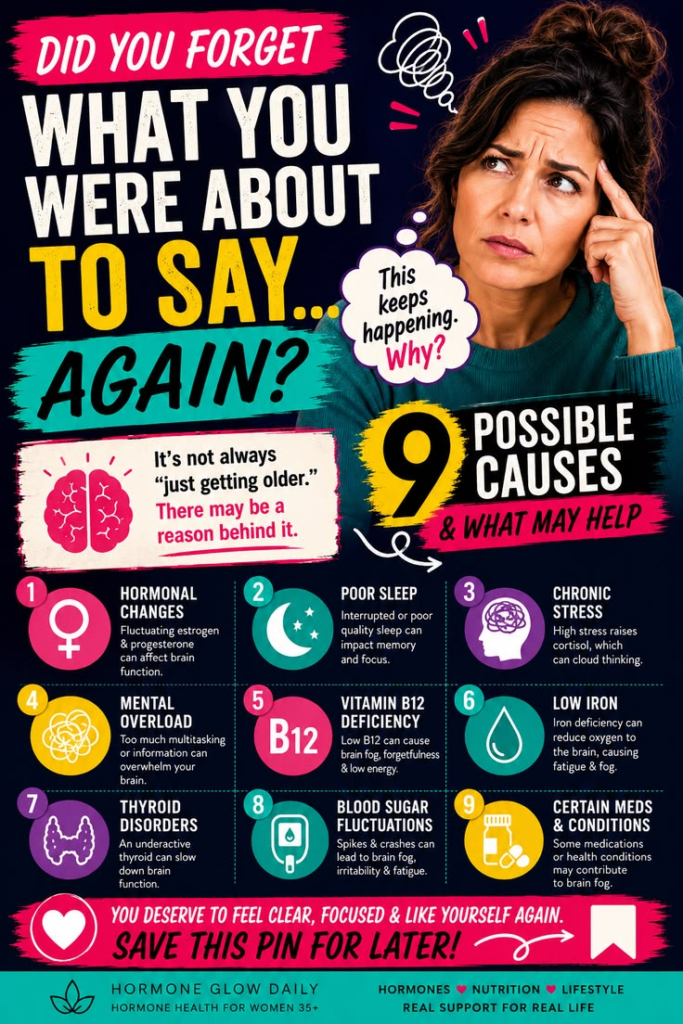
1. Hormonal Changes
As estrogen levels fluctuate during perimenopause and menopause, some women notice changes in memory, concentration, and mental clarity.
You might notice:
- Forgetting appointments
- Difficulty finding words
- Trouble multitasking
- Feeling mentally “foggy”
2. Poor Sleep

Your brain does important work while you sleep, including consolidating memories and supporting learning. Poor-quality sleep or waking frequently through the night can leave you feeling mentally sluggish the next day.
Ask yourself:
- Do you wake up often?
- Are you sleeping fewer than 7 hours?
- Do you snore or wake feeling unrefreshed?
3. Chronic Stress

Long-term stress can make it harder to focus and remember information. When your mind is constantly juggling responsibilities, it may feel like there’s no room left for anything else.
You may notice:
- Racing thoughts
- Trouble concentrating
- Forgetfulness during busy days
- Feeling overwhelmed
4. Mental Overload

Many women are balancing work, family, caregiving, finances, and household responsibilities all at once. When your brain is constantly switching between tasks, it’s easier to lose track of what you were about to say or do.
Sometimes it isn’t a memory problem—it’s simply too many demands competing for your attention.
5. Vitamin B12 Deficiency

Vitamin B12 helps support healthy nerve function. Low levels can sometimes contribute to symptoms such as:
- Fatigue
- Tingling in the hands or feet
- Difficulty concentrating
- Memory concerns
A healthcare provider can determine whether testing is appropriate.
6. Low Iron

Iron helps carry oxygen throughout the body, including to the brain. Low iron levels can contribute to fatigue and difficulty concentrating in some people.
Possible signs include:
- Feeling exhausted
- Weakness
- Shortness of breath
- Difficulty focusing
7. Thyroid Disorders

An underactive thyroid can affect many parts of the body and may cause symptoms such as:
- Brain fog
- Fatigue
- Weight changes
- Feeling cold
- Dry skin
Because these symptoms overlap with many other conditions, it’s important to discuss persistent concerns with your healthcare provider.
8. Blood Sugar Fluctuations
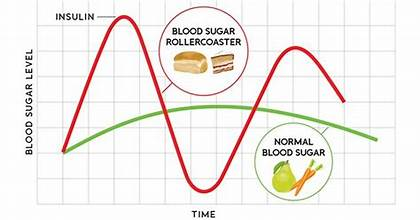
Large swings in blood sugar can leave you feeling shaky, tired, or mentally foggy.
Some people notice that their concentration improves when they eat balanced meals that include protein, healthy fats, and fiber.
9. Certain Medications or Other Health Conditions
Some medications and medical conditions may affect memory or concentration. Never stop taking a prescribed medication on your own, but if you notice new symptoms after starting a medication, talk with the prescribing healthcare provider.
Simple Things That May Help
While the right approach depends on the cause, these everyday habits may support overall brain health:
- Aim for consistent, quality sleep.
- Stay hydrated throughout the day.
- Eat balanced meals with protein, healthy fats, fruits, and vegetables.
- Take short movement breaks if you sit for long periods.
- Reduce multitasking when possible.
- Write important tasks down in a planner or notebook.
- Practice stress-management techniques that work for you.
Products That May Help
These products may support healthy routines or organization, though they are not treatments for brain fog:
- Daily planner or organizer
- White noise machine for better sleep
- Blue-light filtering glasses (if you spend long hours on screens)
- Reusable water bottle to encourage hydration
- Weekly pill organizer (if you take multiple supplements or medications)
Always choose products that fit your individual needs, and consult your healthcare provider before starting new supplements.
When Should You See a Healthcare Provider?

Consider making an appointment if:
- Brain fog is getting worse over time.
- Symptoms interfere with work or daily life.
- Memory problems become frequent or severe.
- You notice confusion, personality changes, or trouble completing familiar tasks.
- Brain fog is accompanied by weakness, numbness, vision changes, or severe headaches.
Seek emergency medical care right away if sudden confusion, difficulty speaking, facial drooping, or weakness develops, as these can be signs of a medical emergency.
Frequently Asked Questions

Why do I keep losing my train of thought?
Losing your train of thought occasionally is common, especially during stressful or busy periods. However, frequent episodes may be linked to poor sleep, chronic stress, hormonal changes, nutrient deficiencies, certain medications, thyroid disorders, or other health conditions. If it happens often or interferes with your daily life, it’s a good idea to discuss it with your healthcare provider.
Is brain fog common during perimenopause?
Yes. Many women experience brain fog during perimenopause and menopause. Fluctuating hormone levels, especially estrogen, may contribute to memory lapses, difficulty concentrating, and trouble finding words. Other factors, such as poor sleep and stress, can also play a role.
Why do I forget words in the middle of a conversation?
Forgetting words occasionally happens to everyone, but it can become more noticeable with fatigue, stress, lack of sleep, or hormonal changes. If it’s becoming frequent or worsening over time, it’s worth talking to your healthcare provider to rule out underlying causes.
Can poor sleep cause brain fog?
Yes. Poor-quality or interrupted sleep can make it harder to concentrate, remember information, and think clearly. Improving your sleep habits may help reduce brain fog for some people.
Can stress make me more forgetful?
Yes. Chronic stress can affect attention and concentration, making it easier to lose your train of thought or forget everyday tasks. Finding healthy ways to manage stress may improve mental clarity.
Can vitamin deficiencies cause brain fog?
Certain vitamin and mineral deficiencies, including vitamin B12 and iron deficiencies, may contribute to fatigue and difficulty concentrating. Your healthcare provider can determine whether testing is appropriate.
Can dehydration affect memory and concentration?
Yes. Even mild dehydration may affect concentration, alertness, and mental performance. Drinking enough water throughout the day is a simple habit that supports overall brain function.
Is brain fog a normal part of aging?
Occasional forgetfulness can happen at any age, but persistent brain fog should not automatically be dismissed as “just getting older.” Many treatable factors can contribute to memory and concentration problems.
When should I see a healthcare provider about brain fog?
Schedule an appointment if your symptoms:
- Happen frequently.
- Are getting worse.
- Affect your work or daily activities.
- Are accompanied by unusual fatigue, weakness, numbness, vision changes, or other concerning symptoms.
Seek emergency medical care immediately if sudden confusion occurs along with facial drooping, trouble speaking, severe weakness, or loss of coordination.
Can lifestyle changes help improve brain fog?
Depending on the underlying cause, healthy habits may support better mental clarity. These include getting enough sleep, staying hydrated, eating balanced meals, managing stress, staying physically active, and keeping up with regular medical checkups. Because brain fog has many possible causes, it’s important to work with your healthcare provider if symptoms persist.
Final Thoughts

Losing your train of thought now and then doesn’t necessarily mean something is seriously wrong. Brain fog can have many possible contributors, including poor sleep, stress, hormonal changes, nutrient deficiencies, thyroid disorders, blood sugar fluctuations, or other health conditions.
The good news is that paying attention to your symptoms, building healthy daily habits, and talking with your healthcare provider when concerns persist can help you better understand what’s going on. If you’ve been thinking, “This keeps happening to me,” you’re not alone—and you don’t have to ignore it.
Medical Disclaimer
The information provided in this article is for educational purposes only and is not intended as medical advice, diagnosis, or treatment. Always consult your physician or another qualified healthcare provider regarding any medical concerns or before making changes to your healthcare routine. Never ignore professional medical advice or delay seeking it because of something you have read on Hormone Glow Daily
Affiliate Disclosure
Some articles on Hormone Glow Daily contain affiliate links. If you click a link and make a qualifying purchase, I may earn a small commission at no additional cost to you. I only recommend products I genuinely believe may provide value to my readers. Thank you for supporting Hormone Glow Daily!