Feeling dizzy when you stand up during perimenopause or menopause? Learn 7 possible causes, what may help, and when to see your healthcare provider.
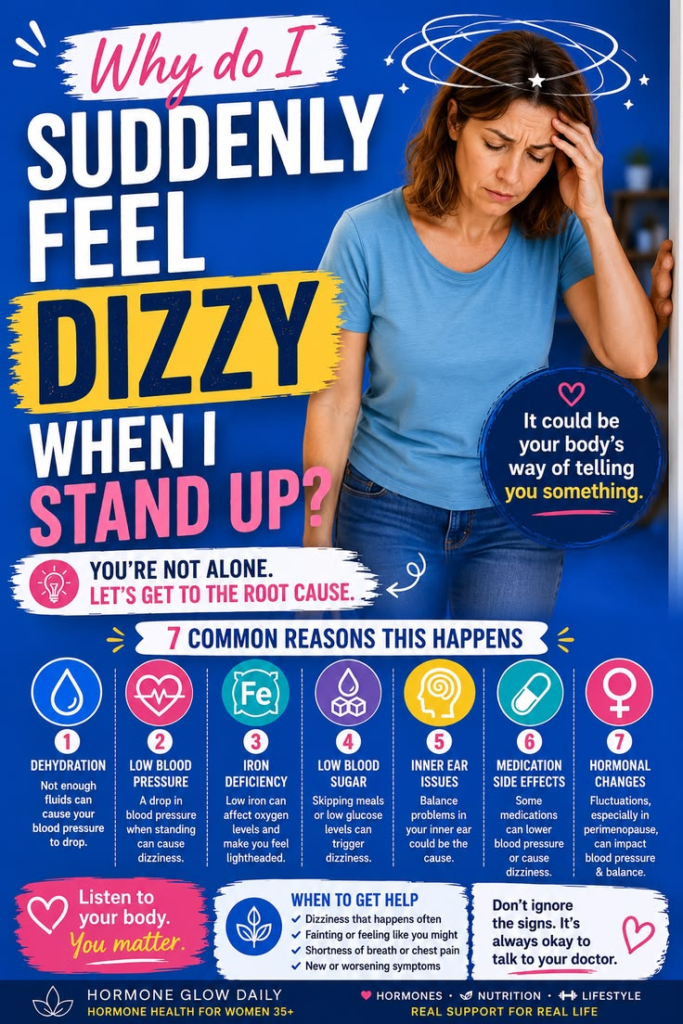
Have You Ever Stood Up and Suddenly Felt Dizzy?
One minute you’re sitting comfortably. The next, you stand up and suddenly feel lightheaded, unsteady, or like the room briefly spins.
If you’re in your 40s or 50s, you may wonder:
“Is this just part of perimenopause?”
The answer is sometimes—but not always.
Hormonal changes during perimenopause and menopause can affect blood pressure, hydration, circulation, and even the nervous system. However, dizziness can also be caused by several other health conditions, so it’s important not to assume hormones are always the reason.
Let’s look at some of the most common causes.
1. Hormonal Changes During Perimenopause
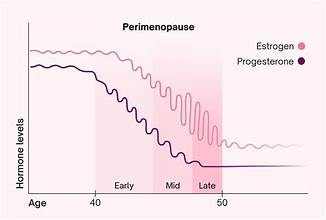
During perimenopause, estrogen levels rise and fall unpredictably.
Estrogen helps influence:
- Blood vessel function
- Blood flow
- Blood pressure regulation
- The autonomic nervous system (which controls heart rate and blood pressure)
When these hormone levels fluctuate, some women become more likely to experience dizziness or lightheadedness—especially when standing up quickly.
Many women also notice dizziness during hot flashes or after a night of poor sleep.
2. A Temporary Drop in Blood Pressure

One of the most common reasons people feel dizzy after standing is called orthostatic hypotension.
Normally, when you stand, your blood vessels tighten quickly to keep enough blood flowing to your brain.
If that response is delayed, blood pressure can briefly drop, causing:
- Lightheadedness
- Blurry vision
- Feeling faint
- Weakness
- Needing to grab onto something for balance
This becomes more common with dehydration, certain medications, prolonged sitting, and aging.
3. Dehydration

Many women lose more fluids than they realize.
Common causes include:
- Hot flashes
- Night sweats
- Not drinking enough water
- Excess caffeine
- Diarrhea or illness
When your body doesn’t have enough fluids, your blood volume decreases, making dizziness more likely when you stand.
Helpful Tip
Carry a large reusable water bottle throughout the day to make staying hydrated easier.
Possible affiliate products:
- Owala FreeSip Water Bottle
- Stanley Quencher
- Hydro Flask
4. Iron Deficiency
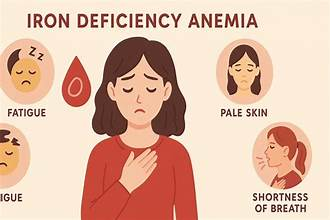
Heavy or irregular periods are common during perimenopause.
Over time, blood loss can lower your iron levels.
Low iron means your body has a harder time carrying oxygen, which may cause:
- Fatigue
- Dizziness
- Shortness of breath
- Headaches
- Pale skin
If you suspect iron deficiency, your healthcare provider can order a simple blood test.
5. Low Blood Sugar

Skipping meals or eating long hours apart can cause blood sugar to drop.
Low blood sugar may lead to:
- Shakiness
- Sweating
- Feeling faint
- Brain fog
- Dizziness
Eating balanced meals that include protein, fiber, and healthy fats may help reduce these blood sugar swings.
6. Inner Ear Problems
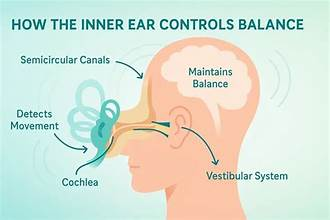
Your inner ear controls balance.
Conditions such as:
- Benign paroxysmal positional vertigo (BPPV)
- Vestibular neuritis
- Labyrinthitis
can cause dizziness or spinning sensations, especially when changing head position.
If the room feels like it’s spinning, an inner ear condition may be more likely than hormonal changes.
7. Medication Side Effects

Some medications can contribute to dizziness, including:
- Blood pressure medications
- Diuretics
- Antidepressants
- Anxiety medications
- Some allergy medications
Never stop a medication without speaking to your healthcare provider.
Simple Things That May Help
Depending on the cause, you may find it helpful to:
- Stand up slowly.
- Drink plenty of water throughout the day.
- Avoid skipping meals.
- Wear compression socks if recommended by your healthcare provider.
- Get enough sleep.
- Limit excessive alcohol.
- Keep track of when your symptoms occur.
- Ask your healthcare provider whether blood tests are appropriate.
Helpful Products You May Like
These products are not treatments for dizziness, but they may support hydration, circulation, or symptom tracking depending on the underlying cause.
- Owala FreeSip Stainless Steel Water Bottle
- Compression socks
- Electrolyte drink mix
- Weekly pill organizer (if you take multiple medications)
- Blood pressure monitor
- Health journal or symptom tracker
When Should You See a Healthcare Provider?

Seek medical advice if dizziness:
- Happens frequently
- Causes you to faint
- Becomes more severe
- Occurs with chest pain
- Happens with shortness of breath
- Causes one-sided weakness
- Occurs with trouble speaking
- Happens with vision loss
- Leads to repeated falls
These symptoms should never be ignored.
Frequently Asked Questions

Can perimenopause cause dizziness?
Yes. Fluctuating estrogen levels may affect blood vessel function, blood pressure regulation, sleep, and hydration, all of which can contribute to dizziness. However, dizziness has many possible causes, so it’s important to discuss persistent symptoms with your healthcare provider.
Is dizziness common during menopause?
Some women experience dizziness during menopause, particularly alongside hot flashes, night sweats, poor sleep, or hormonal fluctuations. Others may never experience it.
Why do I only feel dizzy when I stand up?
A brief drop in blood pressure after standing—called orthostatic hypotension—is a common cause. Dehydration, certain medications, or prolonged sitting can increase the likelihood of this happening.
Can dehydration make dizziness worse?
Yes. Losing fluids through sweating, illness, or not drinking enough water can reduce blood volume and make you feel lightheaded when standing.
Can heavy periods during perimenopause cause dizziness?
Yes. Heavy menstrual bleeding can contribute to iron deficiency or anemia in some women, which may cause dizziness, fatigue, and weakness.
Can hot flashes cause dizziness?
Some women notice dizziness during or immediately after a hot flash, likely due to temporary changes in blood vessel dilation and body temperature.
Should I worry if I’m dizzy every day?
Frequent or worsening dizziness isn’t something to ignore. It’s important to see your healthcare provider to determine the underlying cause and rule out more serious conditions.
Is dizziness a sign of low estrogen?
Not by itself. While fluctuating estrogen levels may contribute to dizziness for some women, dizziness alone isn’t a reliable sign of low estrogen and can have many other causes.
Final Thoughts

Feeling dizzy when you stand up can be frustrating—and sometimes even frightening. While hormonal changes during perimenopause and menopause may play a role, they’re only one piece of the puzzle. Dehydration, low blood pressure, iron deficiency, blood sugar changes, medications, and inner ear conditions are all common possibilities.
If dizziness keeps happening, pay attention to when it occurs, stay hydrated, avoid skipping meals, and talk with your healthcare provider. Identifying the underlying cause is the best way to find the right solution and get back to feeling your best.
Affiliate Disclosure
Some articles on Hormone Glow Daily contain affiliate links. If you click a link and make a qualifying purchase, I may earn a small commission at no additional cost to you. I only recommend products I genuinely believe may provide value to my readers. Thank you for supporting Hormone Glow Daily!
Medical Disclaimer
This article is for educational purposes only and should not be considered medical advice. Always consult your healthcare provider regarding symptoms, diagnosis, or treatment. Never ignore professional medical advice because of something you read online.