Description:
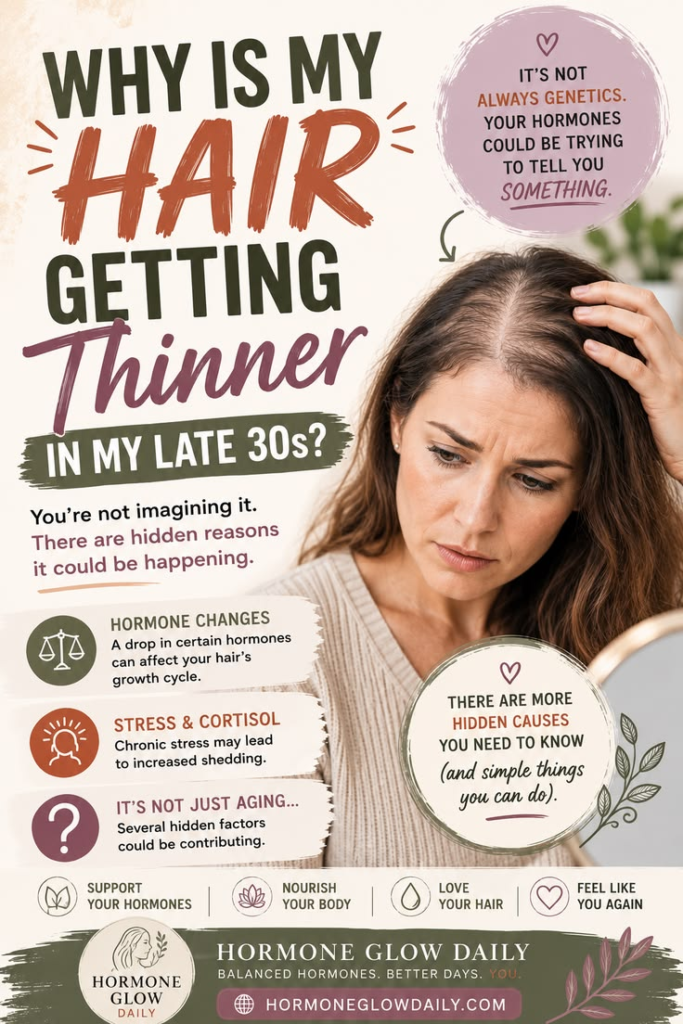
Wondering why your hair is getting thinner in your late 30s? Learn the hidden causes of female hair thinning, what may contribute to it, practical steps that can help, and when it’s time to talk with your healthcare provider.
Why Is My Hair Getting Thinner in My Late 30s?
One day you’re brushing your hair and notice more strands than usual.
Then your ponytail feels smaller.
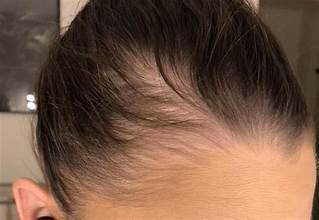
Your part suddenly looks wider.
Maybe you’ve started avoiding bright lights or mirrors because your scalp seems more visible than it used to.
If this sounds familiar, you’re far from alone.
Many women begin noticing changes to their hair during their late 30s and early 40s. While it’s easy to assume it’s “just aging,” hair thinning can have many possible contributing factors—some temporary and some worth discussing with a healthcare professional.
The good news? Understanding what may be happening is the first step toward making informed choices.
Hair Growth Happens in Cycles
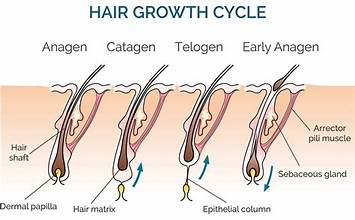
One thing many women don’t realize is that every hair follicle follows a cycle:
- Growth phase (Anagen): Hair actively grows for years.
- Transition phase (Catagen): Growth slows.
- Resting phase (Telogen): Hair sheds and a new hair begins to grow.
The surprising part? A stressful event or illness today may not cause noticeable shedding until 2–3 months later. That’s why it can be difficult to connect hair loss to its original trigger.
1. Hormone Changes During Perimenopause
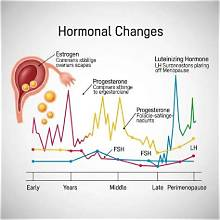
Hormonal changes are one of the most common reasons women notice thinner hair after 35.
As estrogen levels fluctuate and gradually decline, some women experience:
- Increased shedding
- Finer hair texture
- A wider part
- Slower hair growth
- Drier hair
Not every woman experiences these changes, but they are common during perimenopause and menopause.
2. Chronic Stress
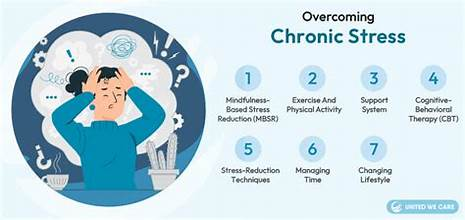
Stress affects more than your mood.
Physical or emotional stress can push more hair follicles into the resting phase, leading to increased shedding several weeks later.
Common triggers include:
- Divorce
- Surgery
- Illness
- Job stress
- Poor sleep
- Major life changes
3. Low Iron Stores
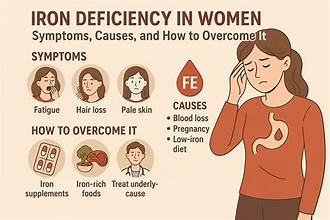
Many women are told their iron is “normal.”
However, some women with hair concerns discuss ferritin (the body’s stored iron) with their healthcare provider because ferritin provides additional information about iron reserves. Your provider can determine which tests are appropriate for your situation.
Low iron may also be associated with:
- Fatigue
- Feeling cold
- Brittle nails
- Shortness of breath
- Hair shedding
4. You’re Not Eating Enough Protein

Hair is made primarily of protein.
Women trying to lose weight sometimes unintentionally eat too little protein.
Aim to include protein at every meal:
- Eggs
- Greek yogurt
- Chicken
- Turkey
- Fish
- Cottage cheese
- Beans
- Lentils
5. Thyroid Changes
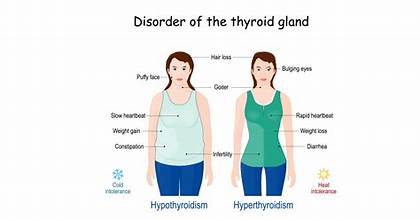
An underactive thyroid can affect hair growth.
Other symptoms may include:
- Fatigue
- Dry skin
- Weight changes
- Feeling unusually cold
- Eyebrow thinning (especially the outer third)
If these symptoms occur together, it’s worth discussing them with your healthcare provider.
6. Rapid Weight Loss
Many women don’t realize that losing weight very quickly can temporarily increase hair shedding.
This doesn’t mean weight loss is bad—it simply means your body may prioritize essential functions while recovering from rapid changes.
Hair usually improves once nutrition and weight stabilize.
7. Vitamin and Mineral Deficiencies
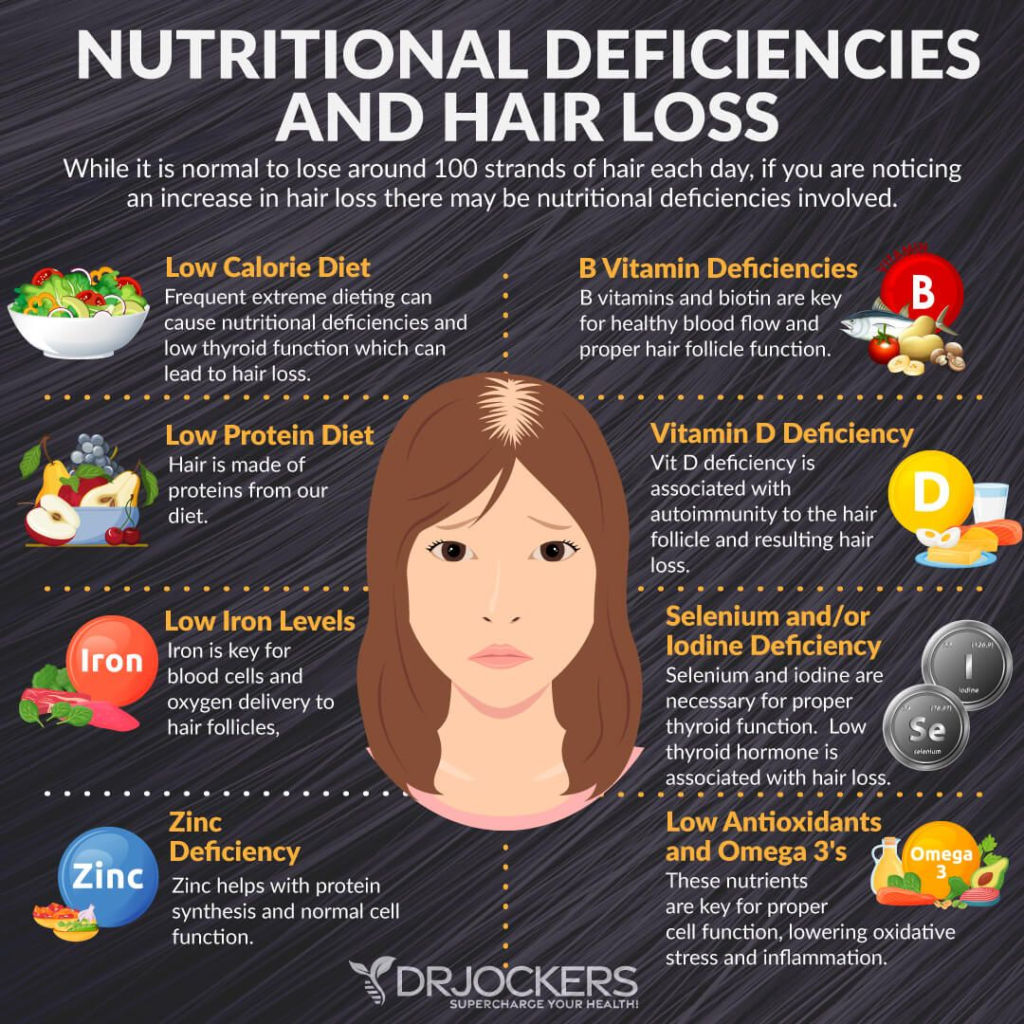
Healthy hair depends on many nutrients, including:
- Vitamin D
- Zinc
- Vitamin B12
- Iron
- Protein
Instead of guessing, ask your healthcare provider whether testing is appropriate before taking high-dose supplements.
8. Tight Hairstyles
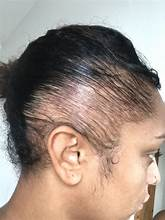
Ponytails…
Tight buns…
Braids…
Extensions…
These styles can pull on hair follicles over time.
Switching to looser hairstyles may help reduce traction-related hair loss.
9. Heat Styling
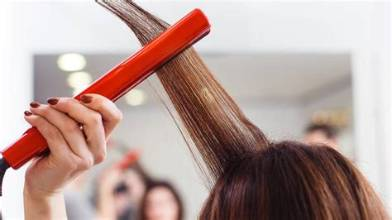
Flat irons and curling wands don’t usually affect the hair root, but they can damage the hair shaft, making hair appear thinner because it breaks more easily.
10. Certain Medications

Some prescription medications may contribute to hair shedding as a side effect.
Never stop a medication without speaking with your healthcare provider, but if you notice a change after starting a new medication, ask whether it could be related.
11. Genetics

Sometimes family history plays a role.
Female pattern hair thinning often develops gradually over many years.
The earlier it’s recognized, the more treatment options may be available to discuss with a healthcare professional.
What Can You Do Today?
✔ Eat enough protein.
✔ Stay hydrated.
✔ Prioritize sleep.
✔ Reduce unnecessary heat styling.
✔ Avoid tight hairstyles.
✔ Manage stress where possible.
✔ Discuss persistent or sudden hair loss with your healthcare provider.
Products I Personally Recommend
Affiliate Disclosure: This post contains affiliate links. If you purchase through these links, I may earn a small commission at no additional cost to you. I only recommend products that I believe may be helpful for my readers.
Vital Proteins Collagen Peptides
A convenient way to increase protein intake. While collagen isn’t a cure for hair loss, many women choose it as part of an overall nutrition routine that supports healthy hair, skin, and nails.
Mielle Rosemary Mint Scalp & Hair Strengthening Oil
Many women enjoy using this lightweight scalp oil as part of their weekly hair-care routine to moisturize the scalp and support healthier-looking hair. Individual results vary.
Satin Silk Pillowcase
A silk or satin pillowcase can help reduce friction while you sleep, which may decrease hair breakage compared with some traditional fabrics.
Frequently Asked Questions
Can perimenopause cause hair thinning?
Yes. Hormonal changes during perimenopause may contribute to increased shedding, finer hair texture, and slower regrowth in some women.
Can hair grow back?
It depends on the cause. Temporary shedding related to stress, illness, or nutritional issues often improves over time once the underlying factor is addressed. Some forms of hair loss may require medical evaluation and treatment.
Why is my part getting wider?
A widening part can be one sign of hair thinning. It doesn’t always mean permanent hair loss, but if it continues or worsens, discuss it with your healthcare provider.
Does washing my hair every day cause hair loss?
No. Washing removes hairs that were already in the shedding phase. It doesn’t usually cause hair follicles to stop producing new hair.
Should I take biotin?
Biotin may help people who are deficient, but it’s not a guaranteed solution for hair thinning. High-dose biotin can also interfere with certain laboratory tests, so talk with your healthcare provider before starting supplements.
When should I see a healthcare provider?
Make an appointment if:
- Hair loss is sudden or severe.
- You notice bald patches.
- Your scalp is painful, itchy, or inflamed.
- Hair loss is accompanied by fatigue, weight changes, or other concerning symptoms.
- Hair thinning continues for several months despite lifestyle changes.
Final Thoughts

Hair thinning in your late 30s can feel emotional, but it’s also incredibly common. The important thing is not to assume there’s only one explanation. Hormones, nutrition, stress, thyroid health, medications, genetics, and everyday habits can all play a role.
Rather than focusing on a single “miracle fix,” think of healthy hair as the result of many small factors working together. If something feels different, trust your instincts, pay attention to your overall health, and don’t hesitate to seek medical advice when needed.
Medical Disclaimer
The information in this article is for educational purposes only and is not intended to diagnose, treat, cure, or prevent any disease. Always consult your physician or another qualified healthcare professional regarding any medical concerns, symptoms, supplements, medications, or treatment options.
This is the kind of comprehensive, educational post that fits well with your Hormone Glow Daily brand while naturally supporting affiliate recommendations without making unrealistic claims.